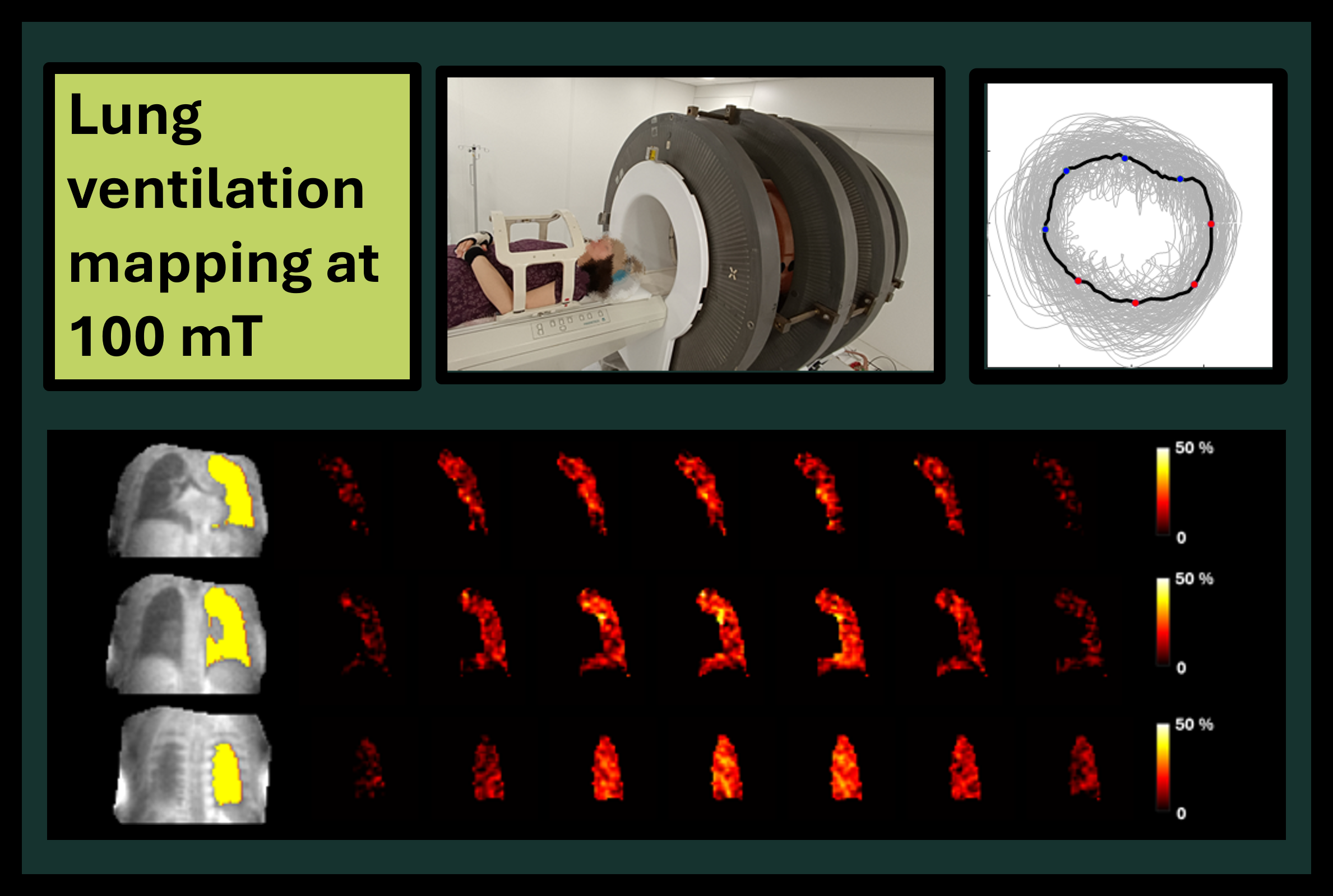
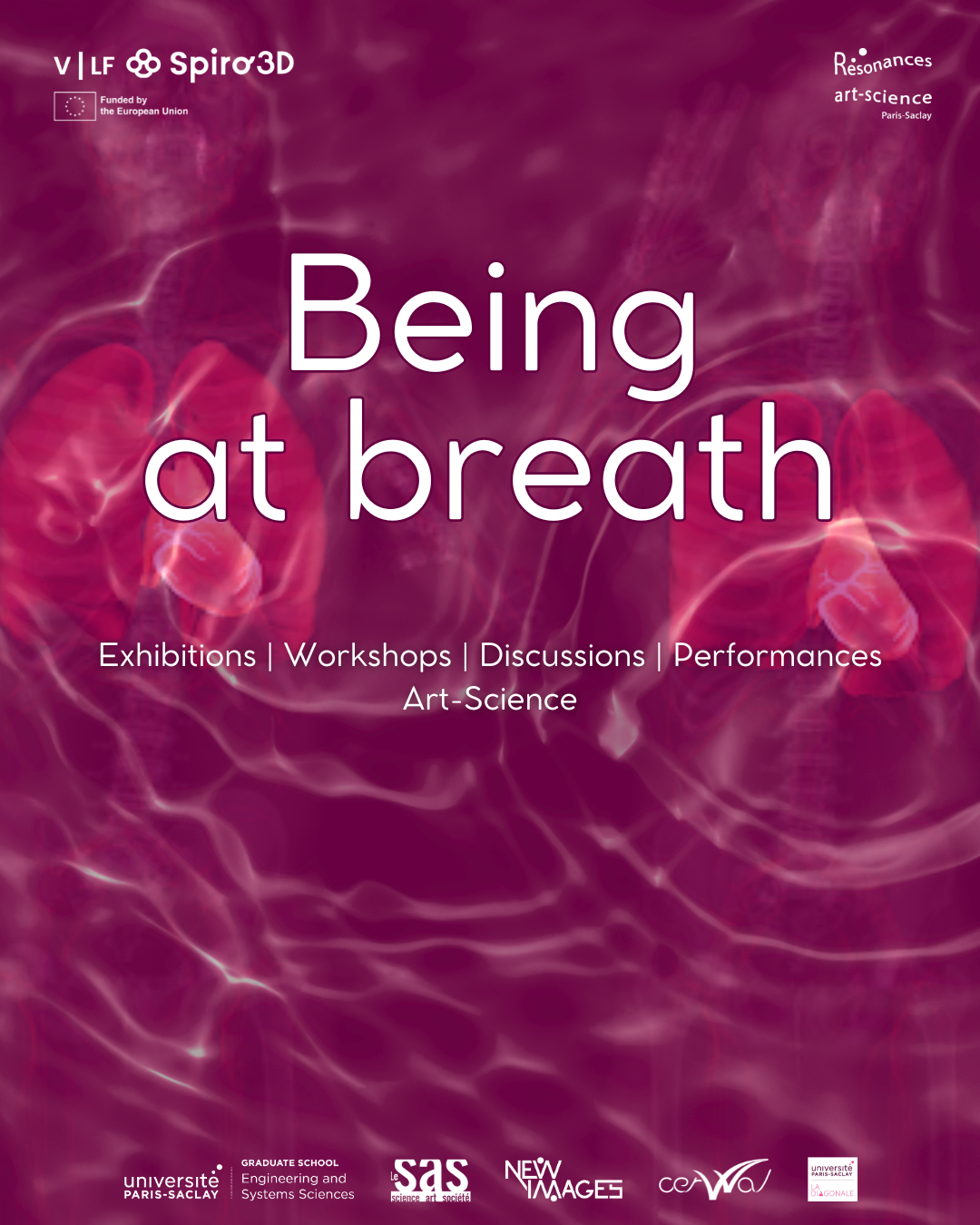
As part of the V|LF-Spiro3D project, we are pleased to contribute to Being at Breath, the fifth resonance axis of the Résonances art-science initiative, developed in collaboration with the Le sas, science-art-society group and NewImages Festival 2026. Hosted at the Cité des Sciences et de l’Industrie in Paris from April 7 to 12 (free entry), this program creates a space where artistic and scientific practices converge around a shared object of research: breathing.
Bringing together artists, researchers, and practitioners from diverse disciplines, Being at Breath explores respiration not only as a biological function, but as a perceptual, cultural, and symbolic phenomenon. Through installations, talks, and presentations, the program invites audiences to experience breathing in new ways by making visible, audible, and tangible what usually remains in the background of our awareness.
For V|LF-Spiro3D, this collaboration reflects a strong commitment to opening up research processes and engaging broader audiences through meaningful art-science encounters.
Tout passe: from research to embodied experience
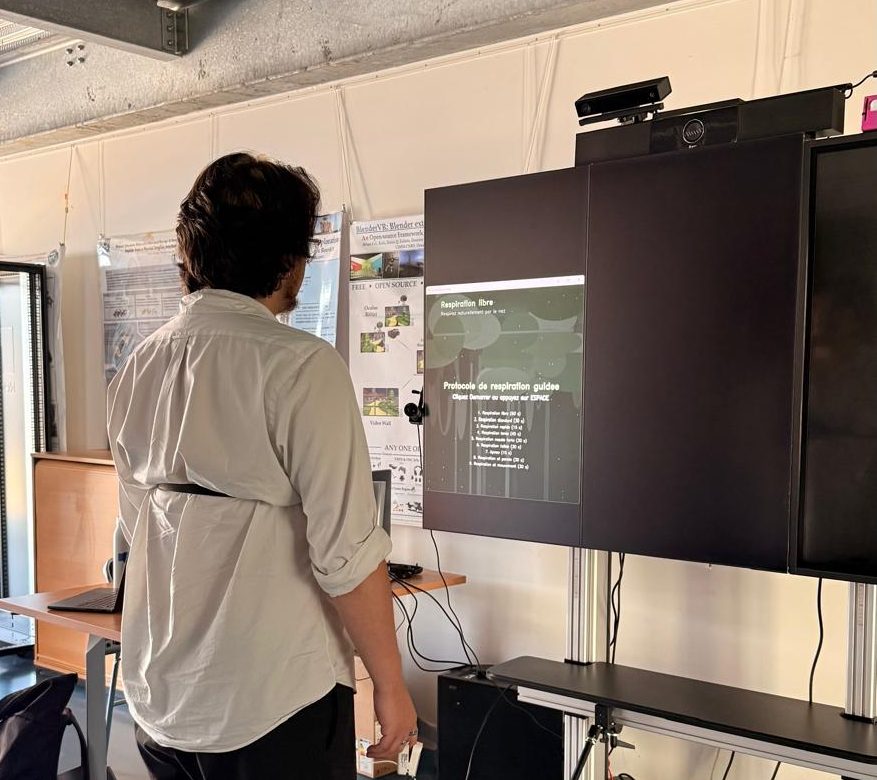
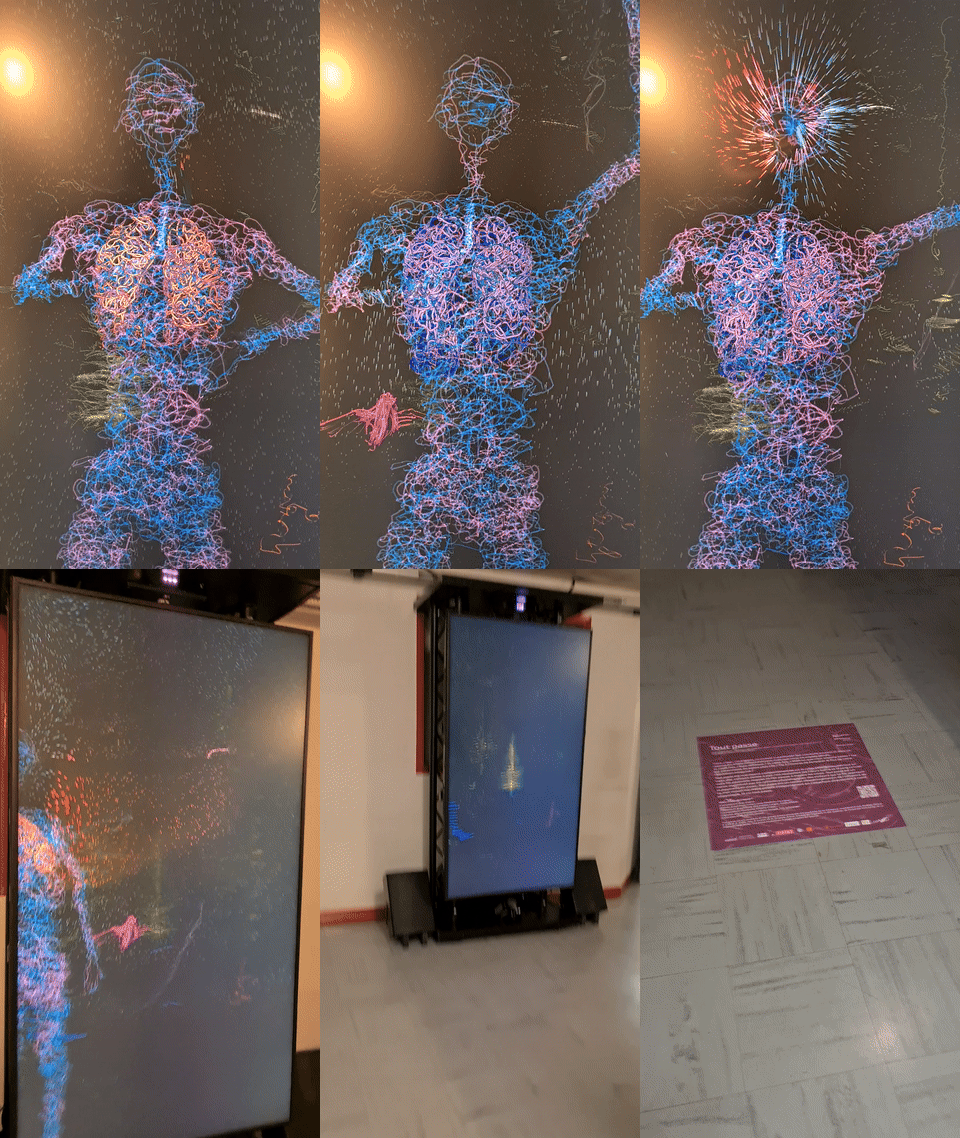
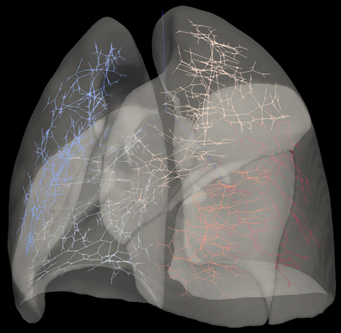
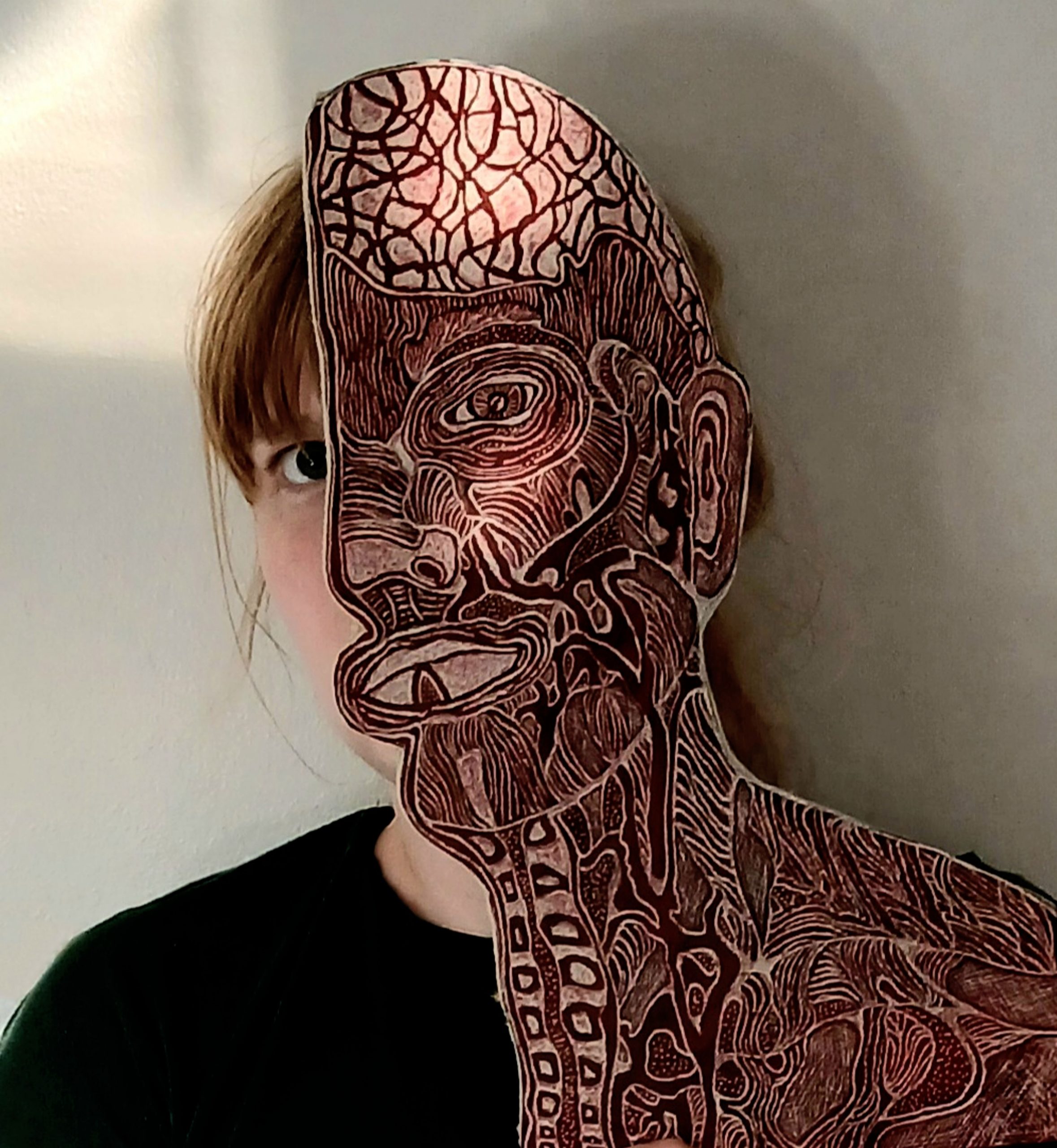
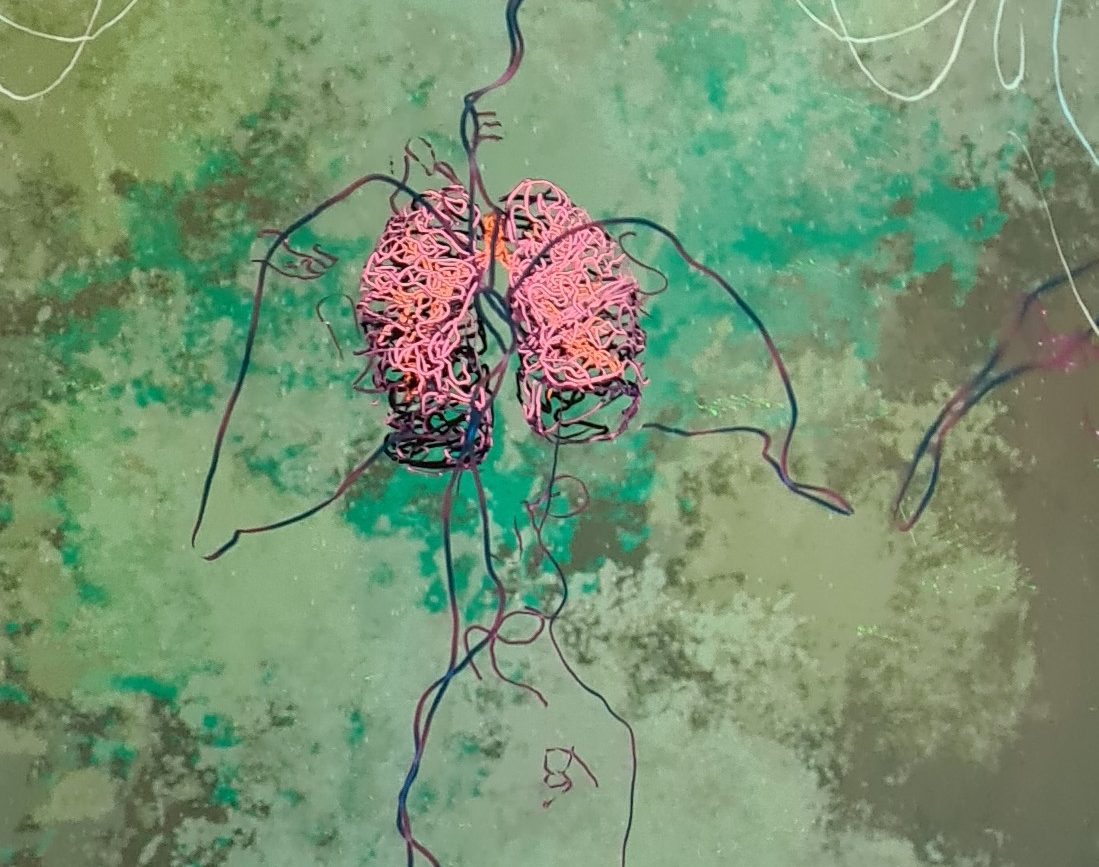
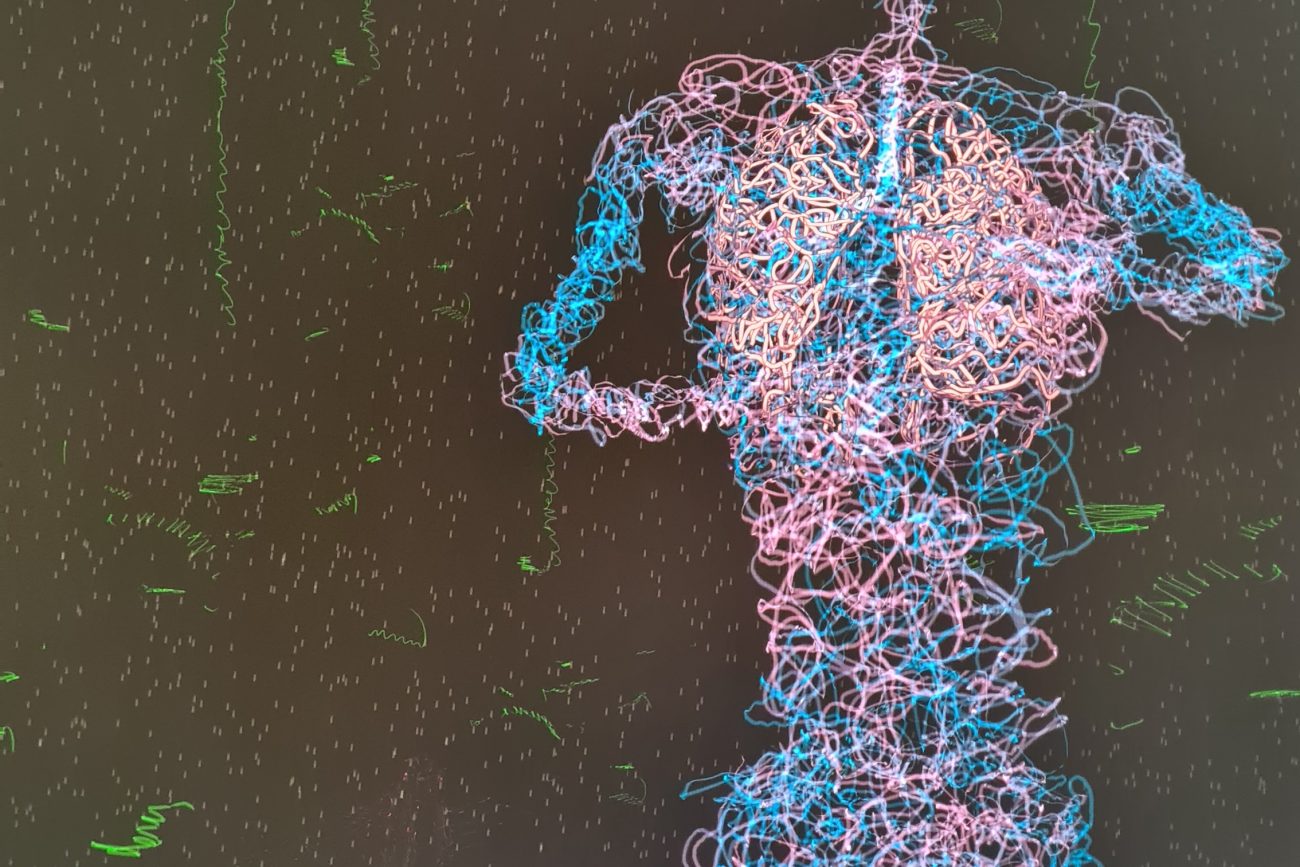
A central moment of this event is the first public presentation of Tout passe / Everything goes, an art-science installation developed within Work Package 4 (WP4) of V|LF-Spiro3D. While still evolving, the work already represents a significant outcome of the research carried out in the project. Conceived as an interactive and immersive experience, Tout passe transforms the visitor’s reflection into a three-dimensional visualization of their own breathing body. The lungs appear, expand and contract, and the airflow becomes perceptible, shifting breathing from an unconscious process to an experiential one.
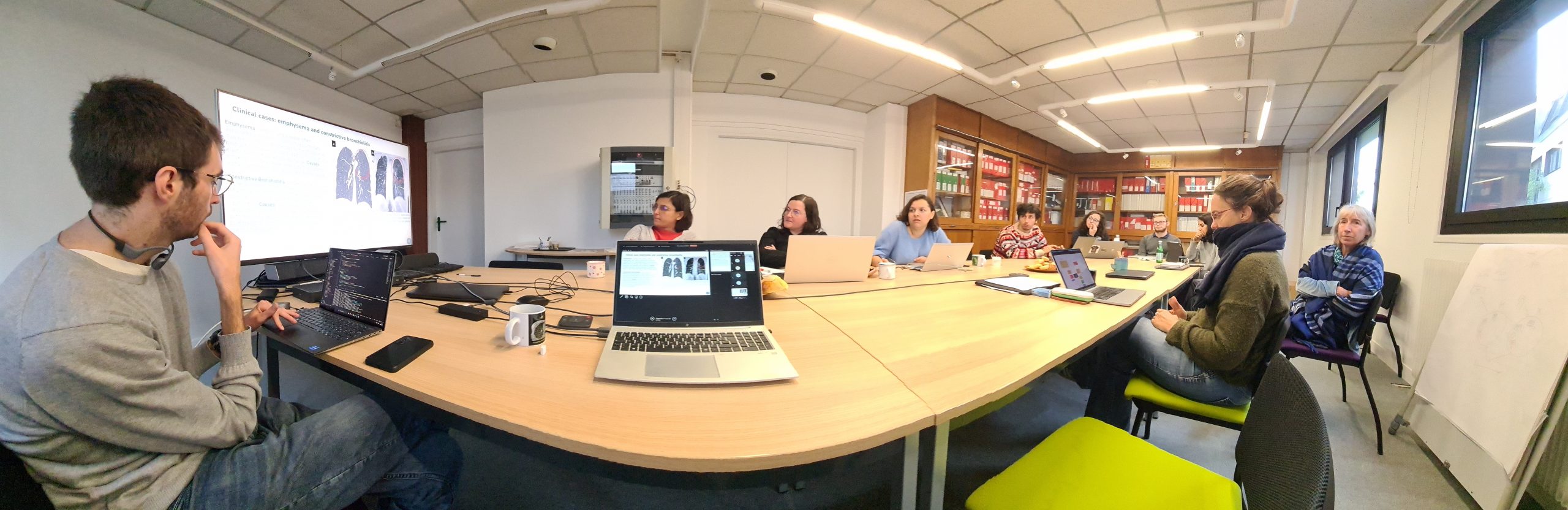
In this sense, the installation acts as both an artistic proposition and a research device. It allows us to explore how physiological signals can be translated into visual and interactive forms, and how these representations affect self-perception and behavior.
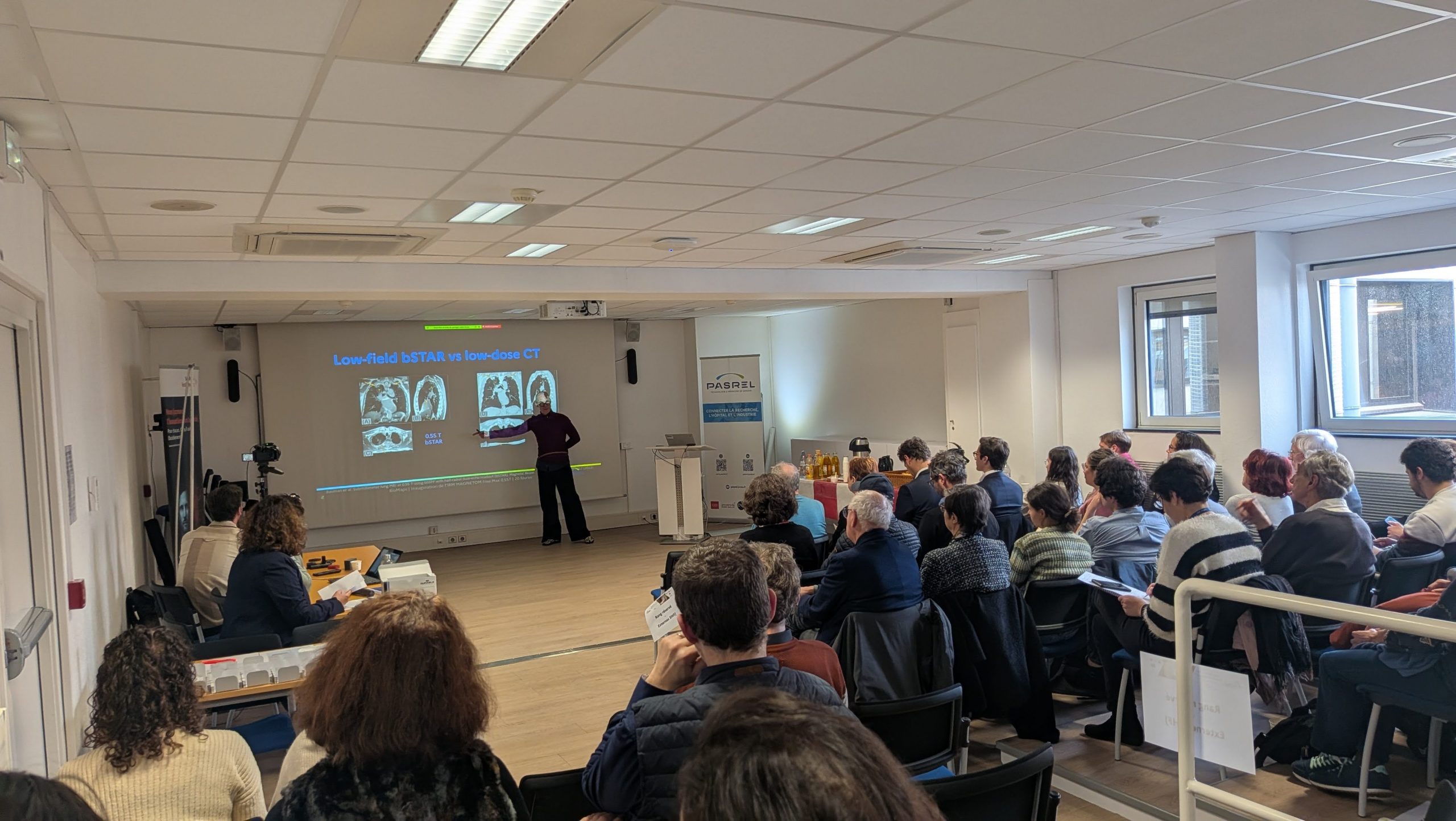
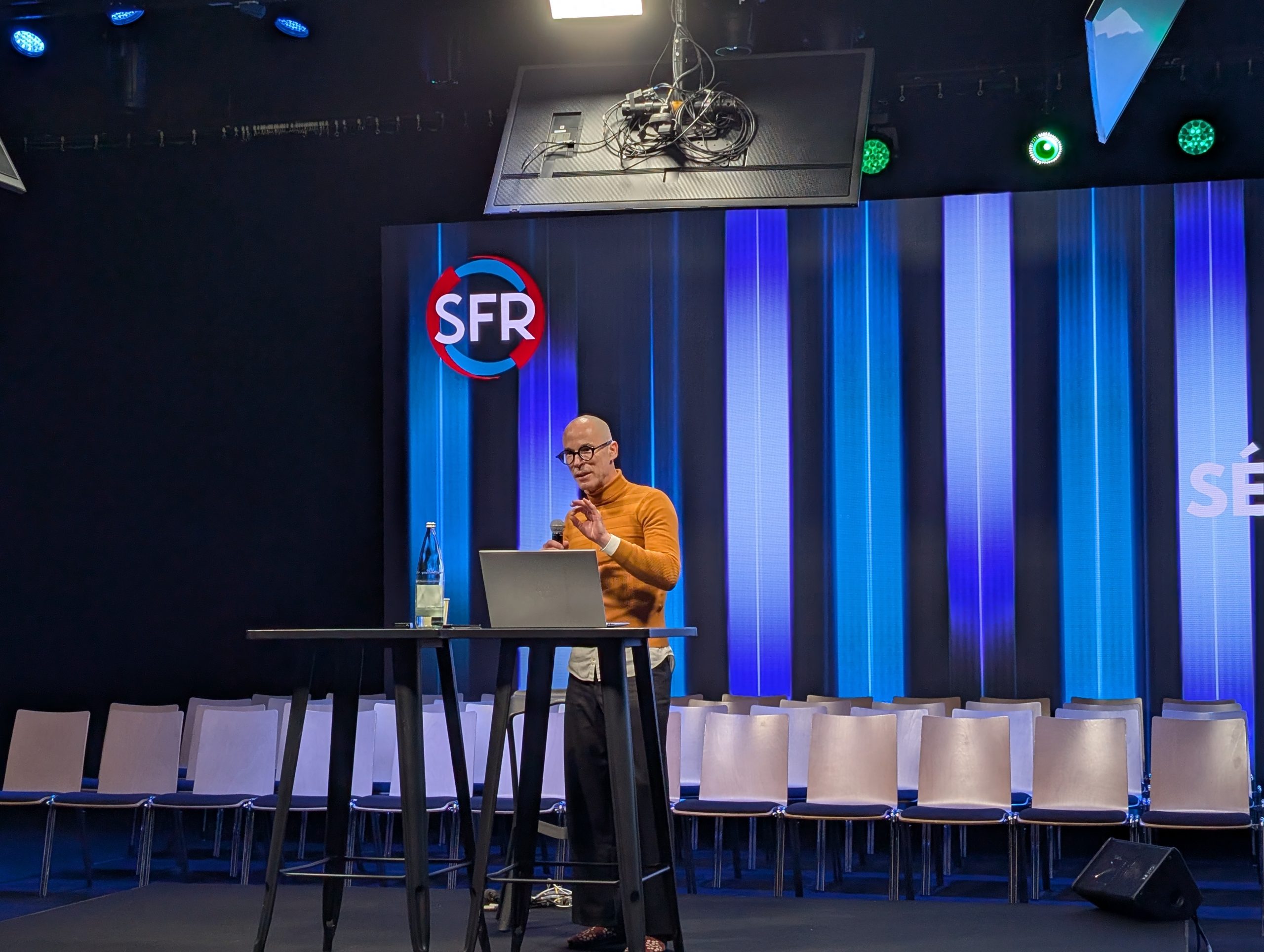
This dialogue between art and science is further extended through a series of talks taking place on April 8 in the afternoon. The contributions of Jenny Slatman and Irene Groenevelt (Tilburg University) provide sociological and anthropological perspectives on medical imaging and the ways in which representations of the body, particularly the lungs, shape our understanding of ourselves. Their approaches highlight how images are never neutral, but actively participate in constructing bodily imaginaries.
The installation Tout passe itself will also be discussed by Sophie Larger (EnsadLab) and Xavier Maître (Paris-Saclay University), who will reflect on the art-science process behind the work, emphasizing the role of experimentation, serendipity, and shared discovery in shaping both artistic and scientific practices.
Expanding collaborations and perspectives
Beyond Tout passe, the collaboration extends to other artistic and research contributions, notably through the work of Samuel Bianchini and Thomas Similowski (APHP) and the presentation of the installation Réespiration, which explores forms of interaction based on respiratory empathy. By abstracting breathing and moving away from direct representation, the work proposes a subtle and essential connection between human and machine, centered on shared rhythms and physiological resonance.
Alongside this, The Sound of the Air, a virtual reality experience developed by Ikse Maître, Matthieu Courgeon, Déborah Lebert, Gaële Misiak (Cervval) e Sophie Larger, immerses visitors in the invisible flows of breathing, making perceptible the constant circulation of air within and around us. Through sound and visualisation, it reveals the textures, rhythms, and sonic variations of respiration—what we rarely notice, yet repeat billions of times throughout our lives.
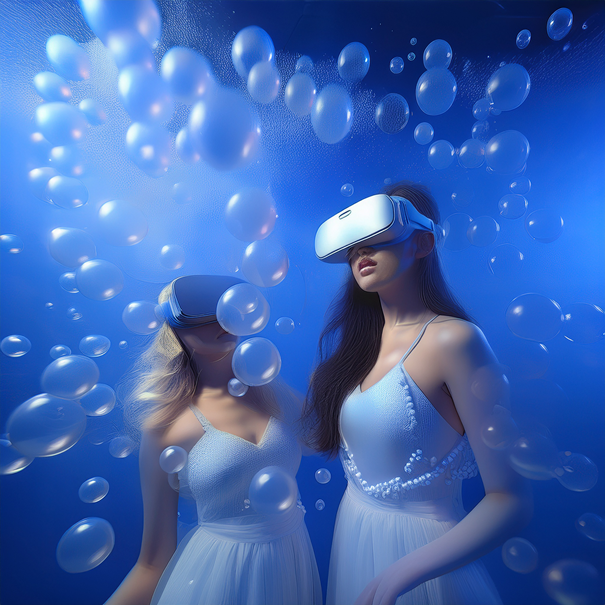
The installation Perturbatio by Tim Schneider et Charles Ménard further extends this reflection by addressing the cumulative impact of individual actions on broader ecological and social systems. By linking personal experience to collective dynamics, it shifts the focus from the intimate scale of respiration to the interconnected processes that shape our environment.
The presence of these installations and discussions at NewImages Festival marks an important step for V|LF-Spiro3D. It enables the project to present its research in a public and cultural context. This exposure is not only a means of dissemination, but an integral part of the research process, allowing us to observe how audiences engage with and reinterpret the work carried out.
We are particularly pleased to develop this initiative within the art-science dynamic promoted by Le sas and the Paris-Saclay art-science Chair, and we are proud of the partnership with Résonances art-science and NewImages Festival. Such collaborations are essential for fostering new forms of dialogue between disciplines and for expanding the impact of research beyond its traditional boundaries.
Being at Breath thus stands as both a milestone and an opportunity to share ongoing work, to test new approaches, and to deepen our understanding of how breathing, as a fundamental yet often invisible process, can be explored at the intersection of art, science, and technology.