
We are pleased to share the latest progress across the V|LF-Spiro3D work packages, highlighting important scientific, technical, and interdisciplinary advances.
WP1 – Clinical Implementation
The pediatric arm of the study is actively ongoing at Erasmus Medical Center in Rotterdam. To date, 30 patients have been included (14 cystic fibrosis, 11 asthma, 5 bronchopulmonary dysplasia), with 7 additional patients awaiting their visit.
During MRI acquisitions, we observed that children often breathe irregularly despite vocal instructions. In collaboration with Paris-Saclay University, we are now implementing a tactile breathing support strategy using “touching balls”. The idea is simple: when children focus on holding and exploring a tactile object, their breathing becomes more regular and calm.
Four types of touching balls have been received, along with a dedicated audio script encouraging curiosity and relaxation during free-breathing MRI sequences. The approach will be introduced before scanning to reduce anxiety and then applied during one acquisition sequence. Implementation is currently underway.
Due to recruitment challenges for bronchopulmonary dysplasia (BPD), we are preparing an ethics amendment to include healthy children as controls (spirometry and MRI only).
WP2 – Modeling & Image Processing
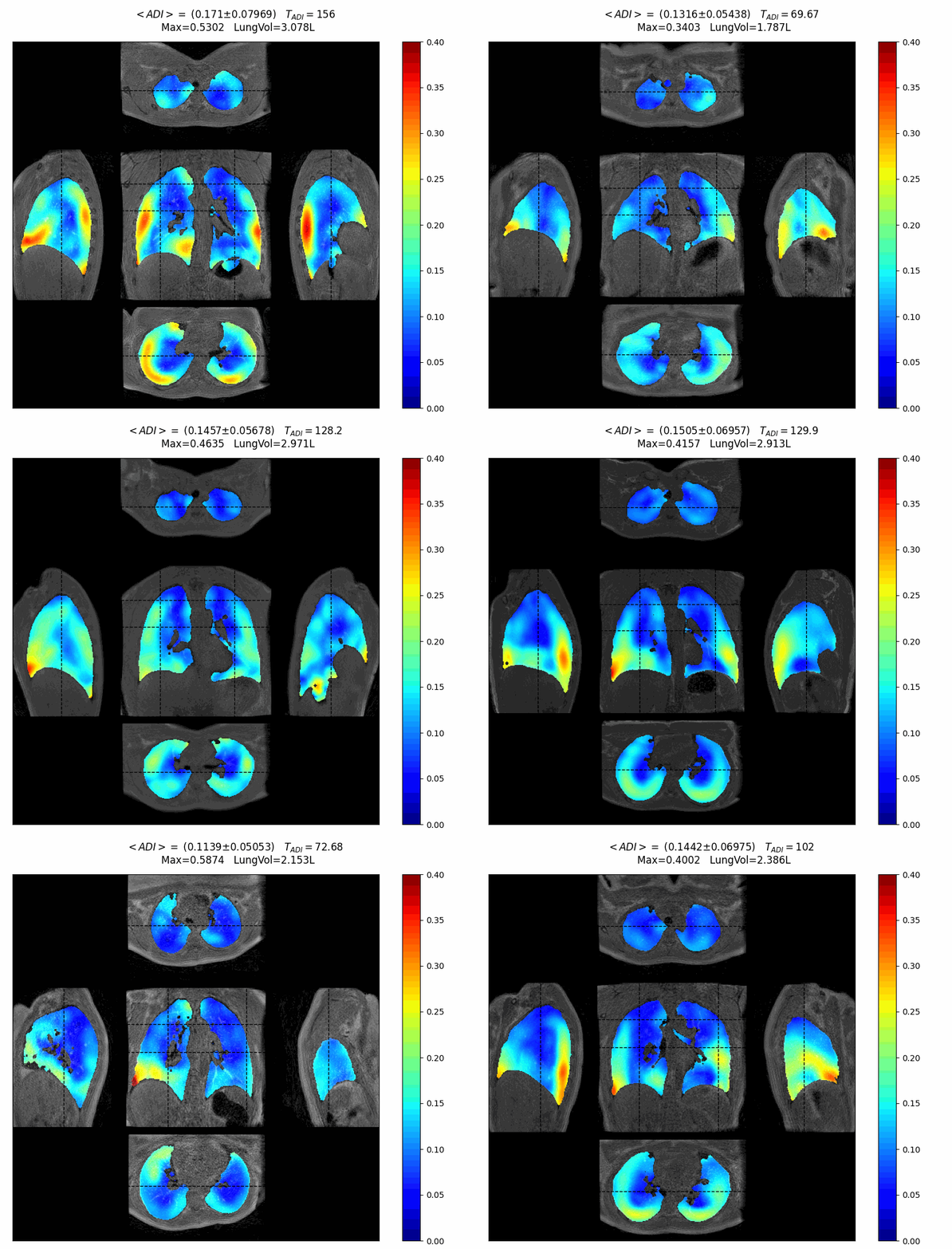
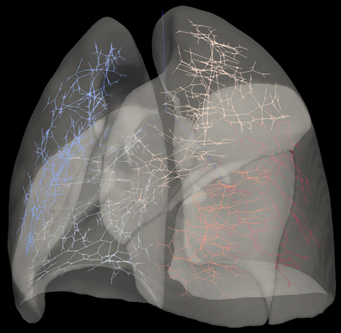
Synthetic gas dynamics have been successfully inferred from 3D MR Spirometry measurements and mapped onto a generated 1D bronchial tree model.
Three-dimensional pleural pressure distributions were reduced to primary modes to identify shared and diverging respiratory patterns. In parallel, elastic registration methods were refined to better account for large deformations during diaphragmatic breathing, improving overall motion accuracy.
WP3 – Low-Field MRI & Technology Development
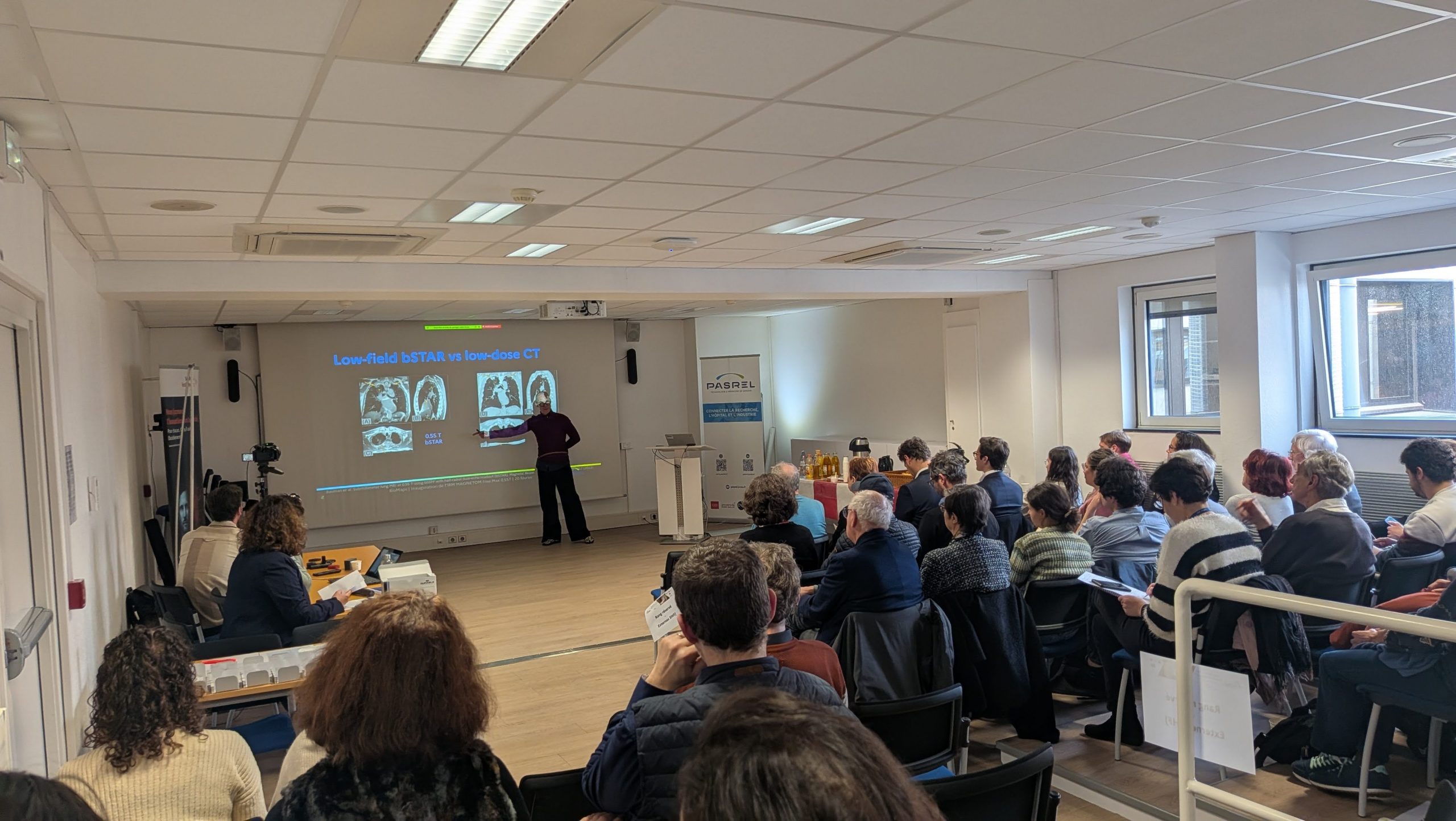
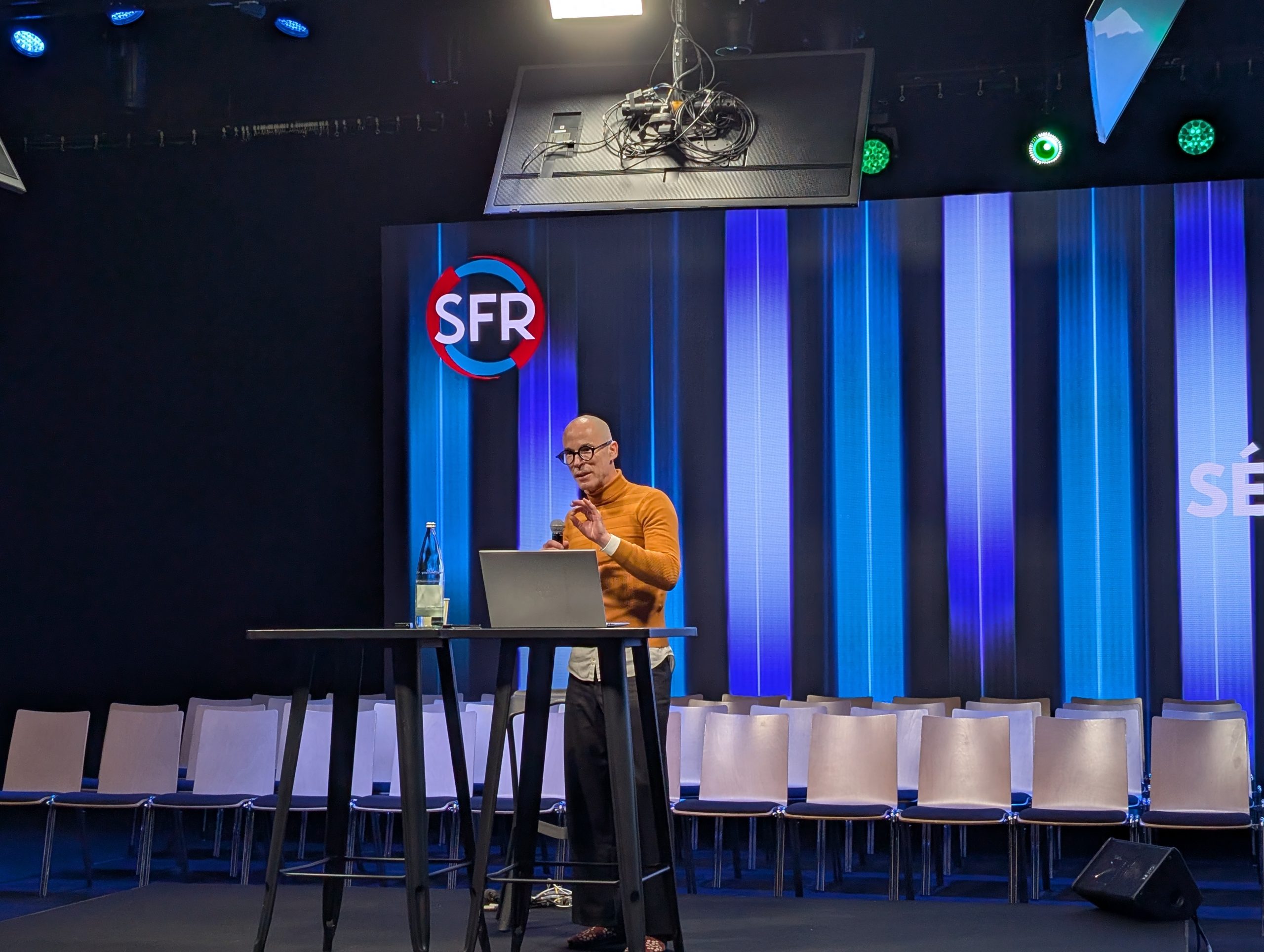
Excellent visibility for V|LF-Spiro3D at the annual meeting of the European Society for Magnetic Resonance in Medicine and Biology (ESMRMB): results comparing 0.55 T performance received the 2nd Prize for Best Poster. Congratulations to Timothée, Paris-Saclay University, and Siemens Healthineers.
At 0.55 T, protocol development and gradient linearity correction are progressing. A new low-noise preamplifier has been developed by NMR Service, alongside a standardized noise characterization procedure that will benchmark upcoming tests in Aberdeen (AMT).
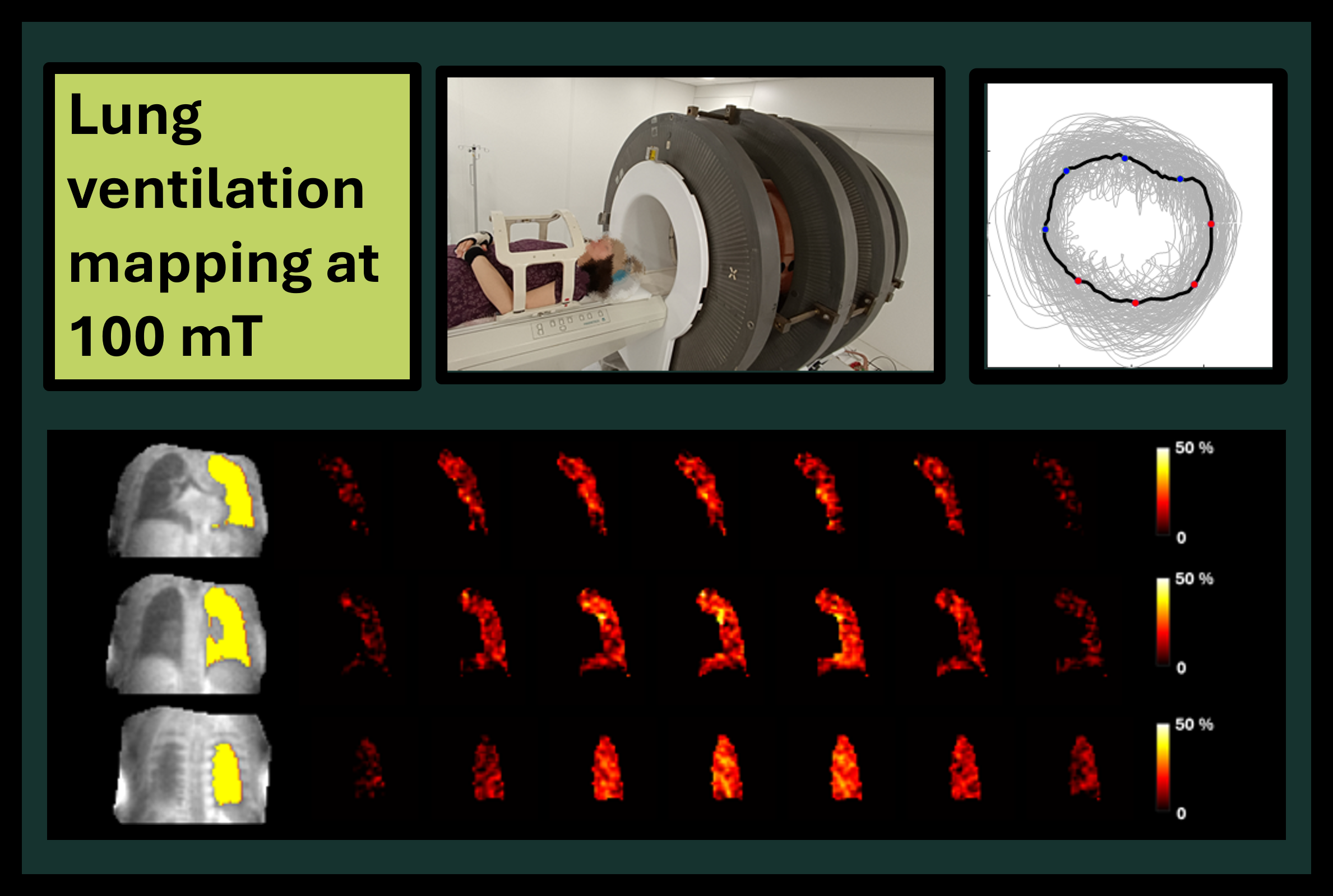
At 0.1 T, first self-navigated lung images have been acquired using gradients compatible with emerging point-of-care MRI systems. These results were presented at ESMRMB and the Scottish Imaging Network: A Platform for Scientific Excellence (SINAPSE) annual meeting, where Nick received the award for Best Plenary Talk — congratulations to Nick and AMT.
AMT and Paris-Saclay University are now collaborating on image processing pipelines. In addition, AMT and Tilburg University are finalizing ethics approval to begin the anthropology study in Aberdeen, where volunteers will be scanned at 0.1 T.
WP4 – Philosophical & Anthropological Research
The philosophical-anthropological strand of the project continues to deepen our understanding of breathing, imaging, and embodiment.
• A theoretical paper, “Imag(in)ing breathing bodies”, by Irene Groenevelt, Claire Barakat, Xavier Maître and Jenny Slatman, has been submitted to the Journal Body & Society. It explores how imaging technologies such as 3D MR may shape patients’ lived experiences.
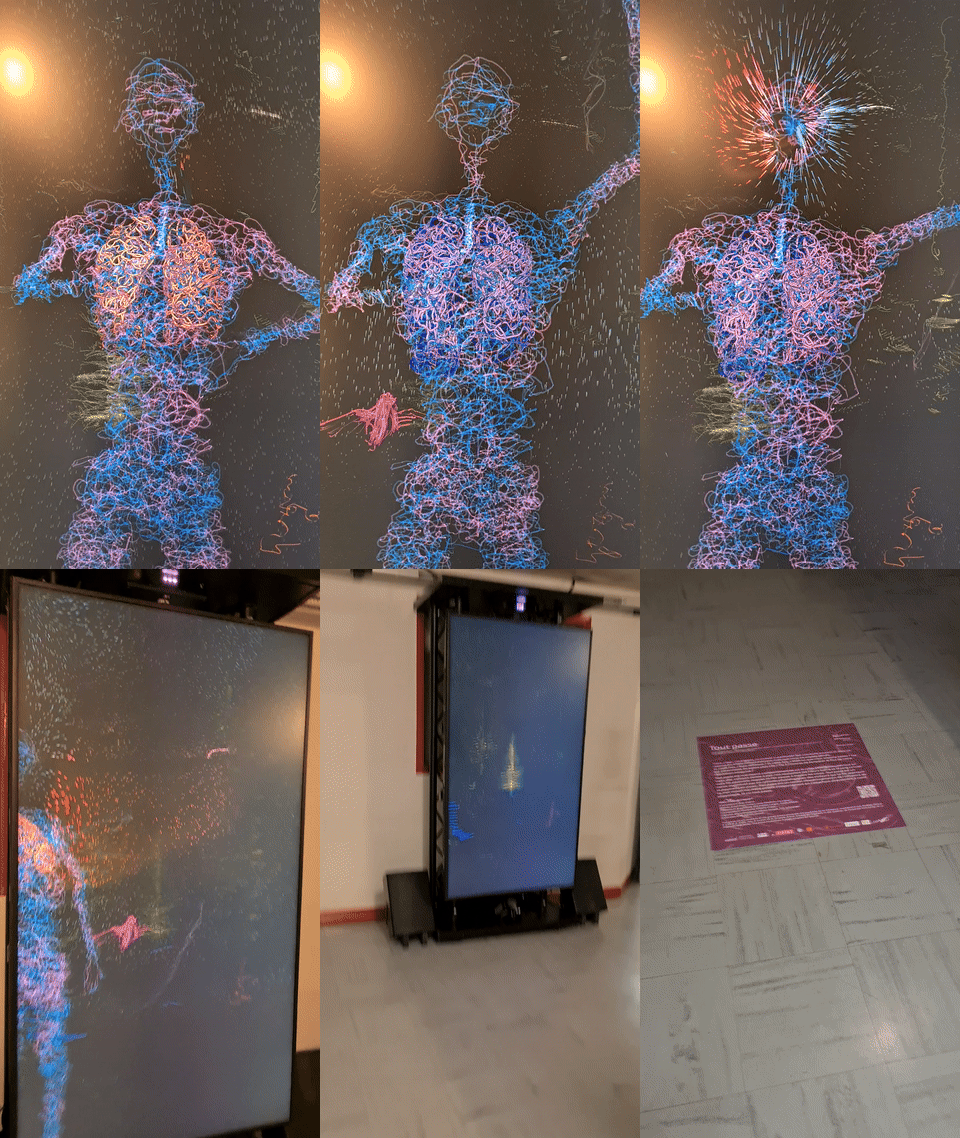
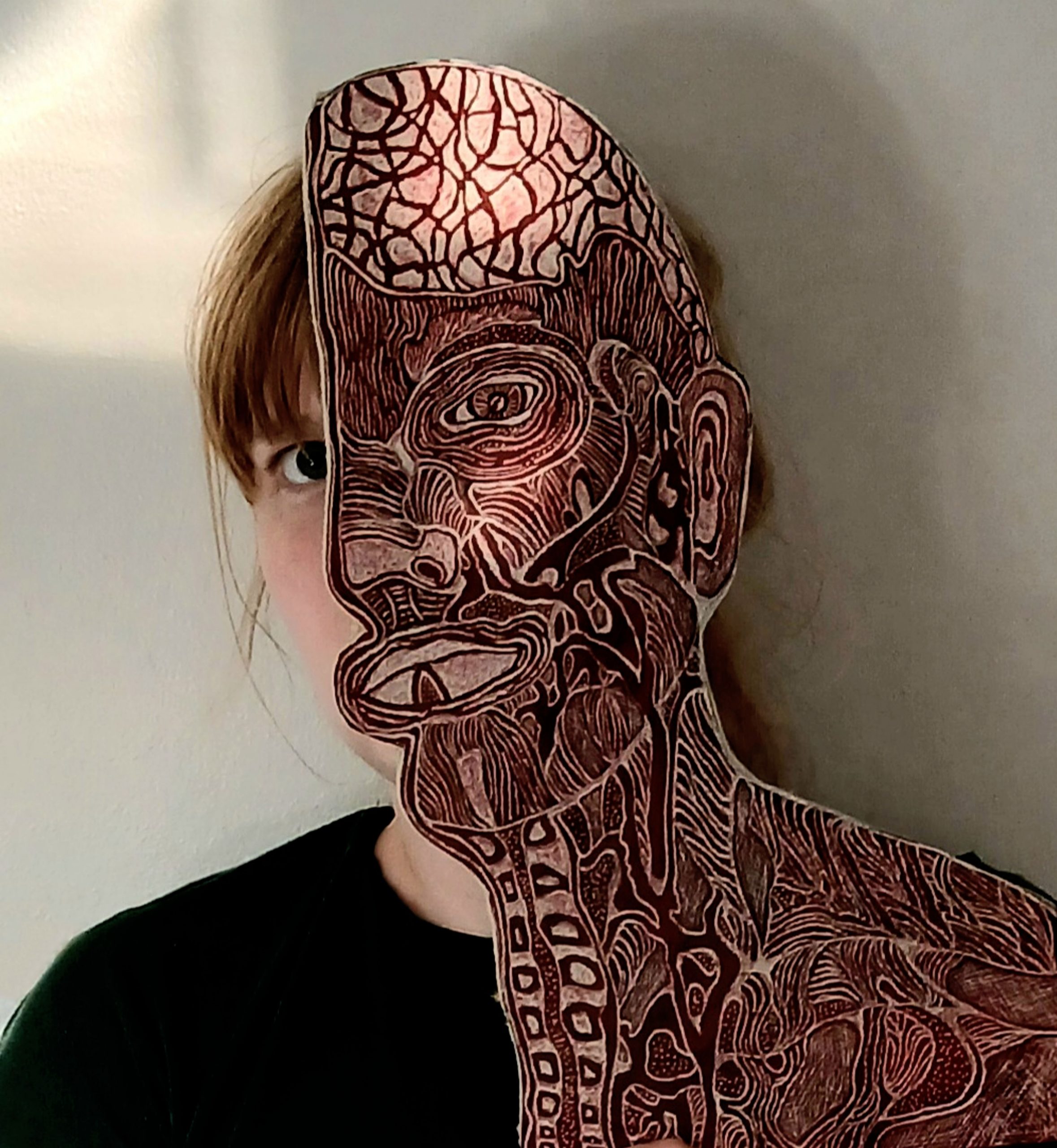
• Jenny Slatman’s article, “Breathing through interactive digital art”, analyzing the installation Tout passe developed at Le sas, is now published on Diggit Magazine.
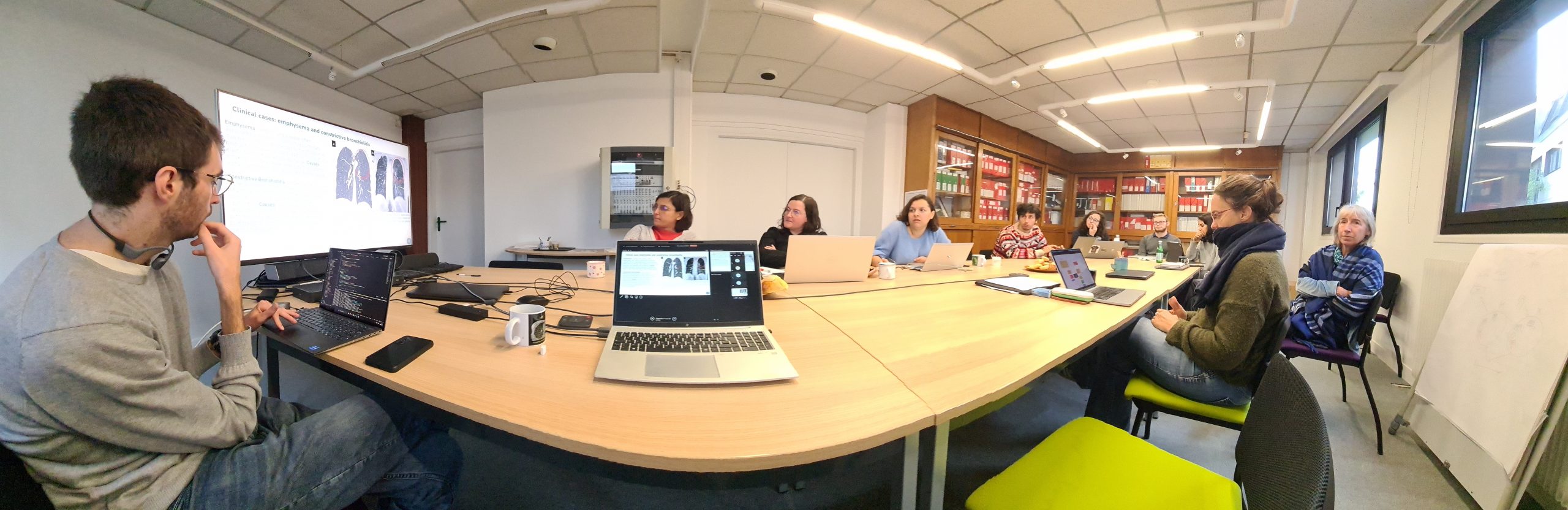
• In Paris, 11 patient interviews have been conducted; most have completed first-round coding. A collective analysis session is scheduled.
• In Rotterdam, 8 interviews with children and caregivers have been completed, alongside 25 surveys including drawing assignments.
• The ethics application for the Aberdeen interview study has been submitted. Irene Groenevelt will visit Aberdeen at the end of March to initiate the next phase.
• The first prototype of the ventilation-augmented mirror installation Tout passe is currently exhibited at UPSaclay (SHFJ).