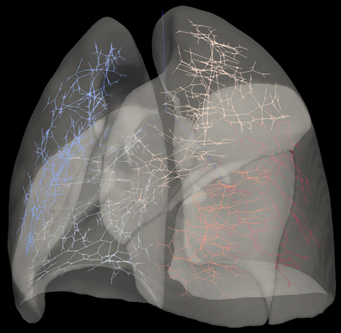
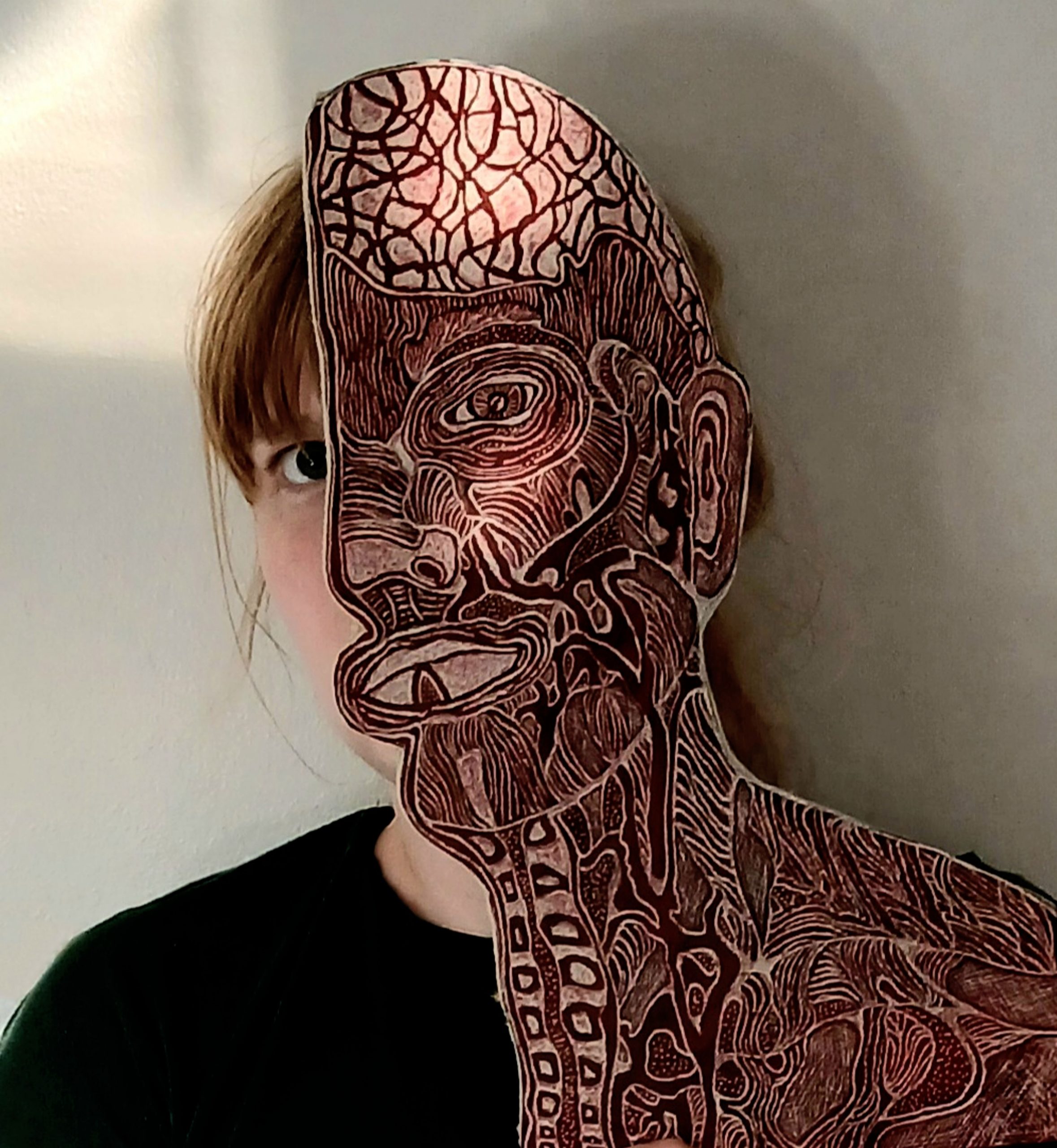
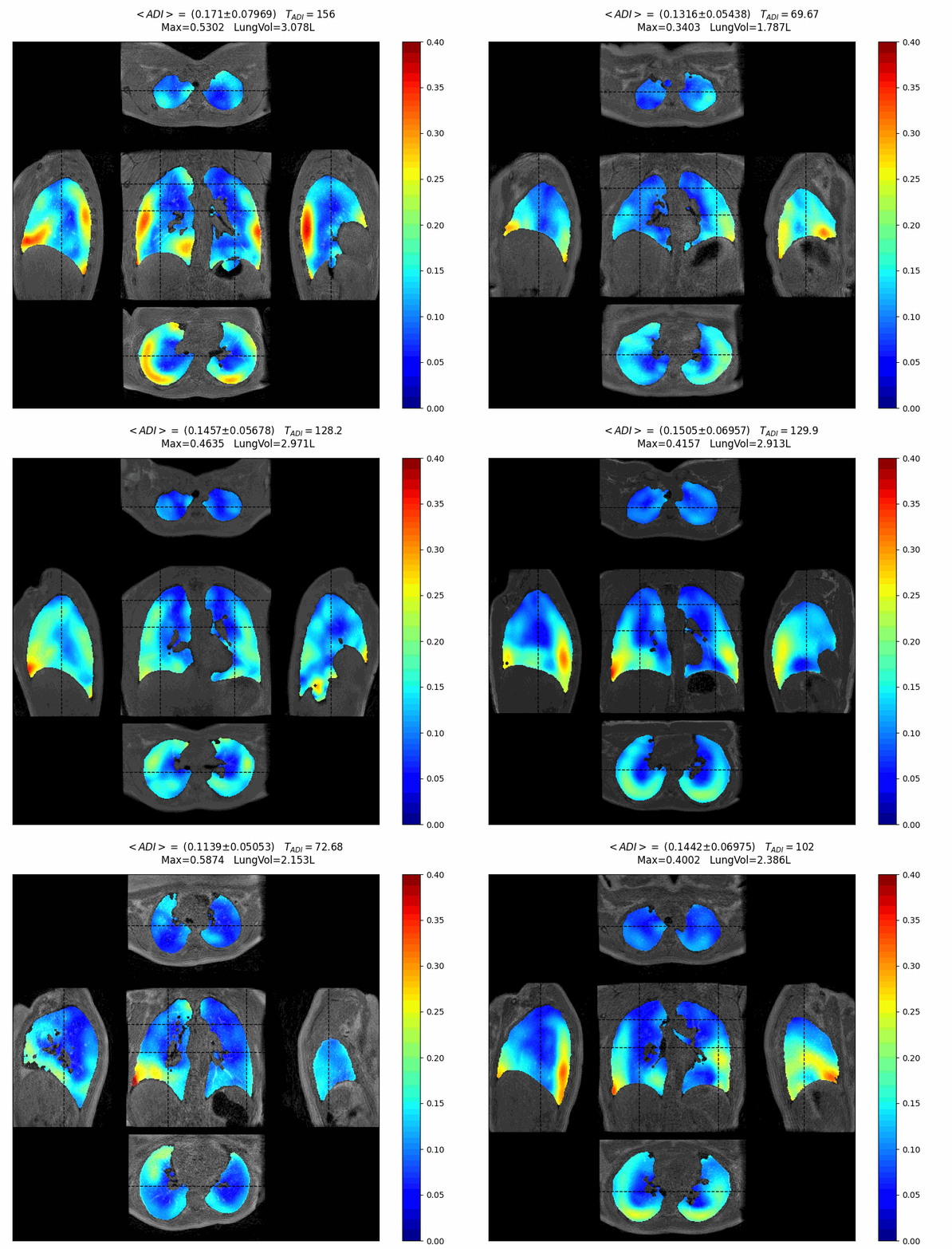
Medical imaging reveals the interior of the human body from multiple angles, eliminating the need for physical opening. Having become an essential part of building clinical diagnoses, it provides various insights into the anatomy and function of internal organs. It is now used routinely in many diagnostic procedures. But does this increasingly pervasive presence of images of our insides in our daily lives affect our perceptions or behaviour?
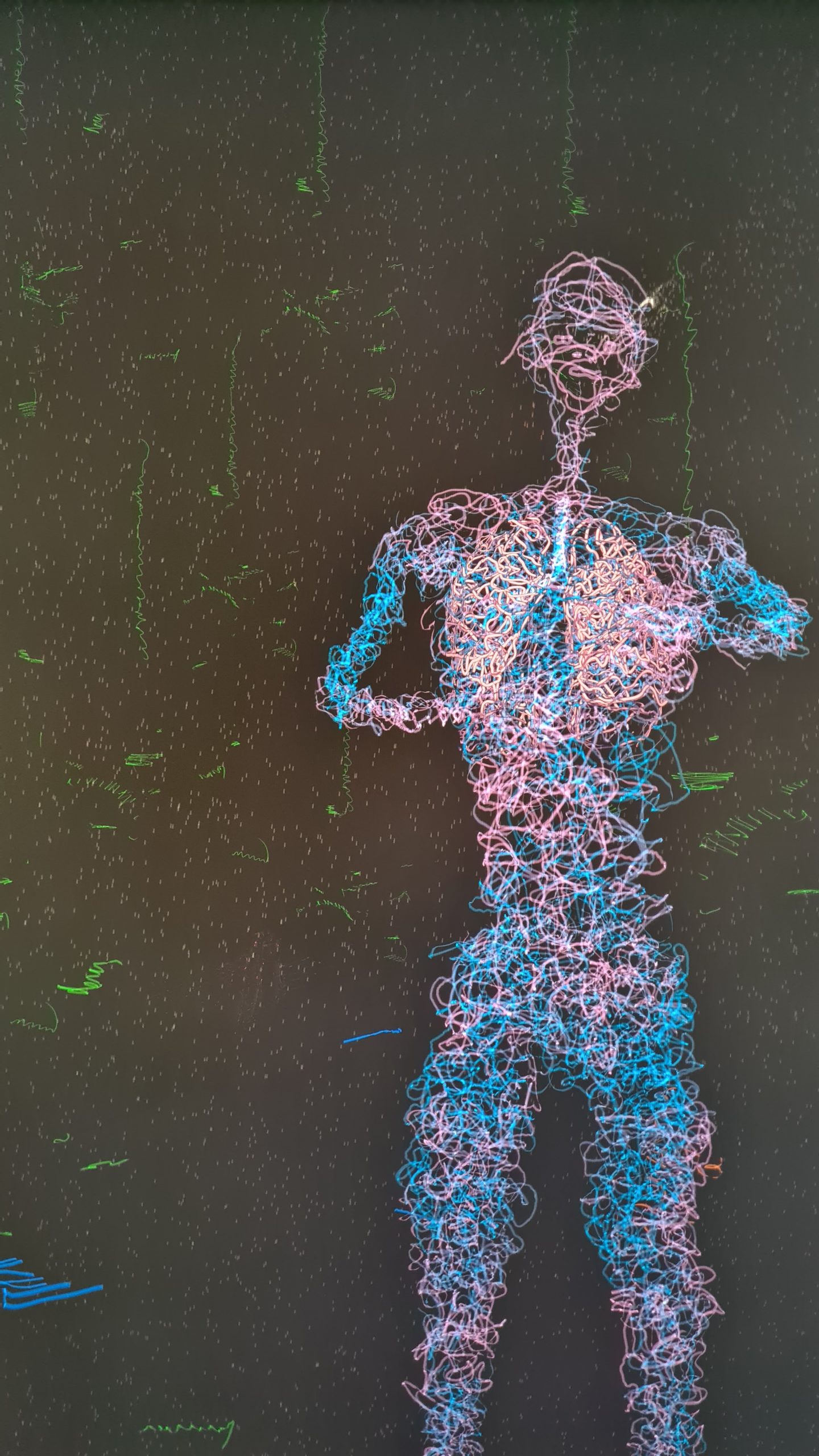
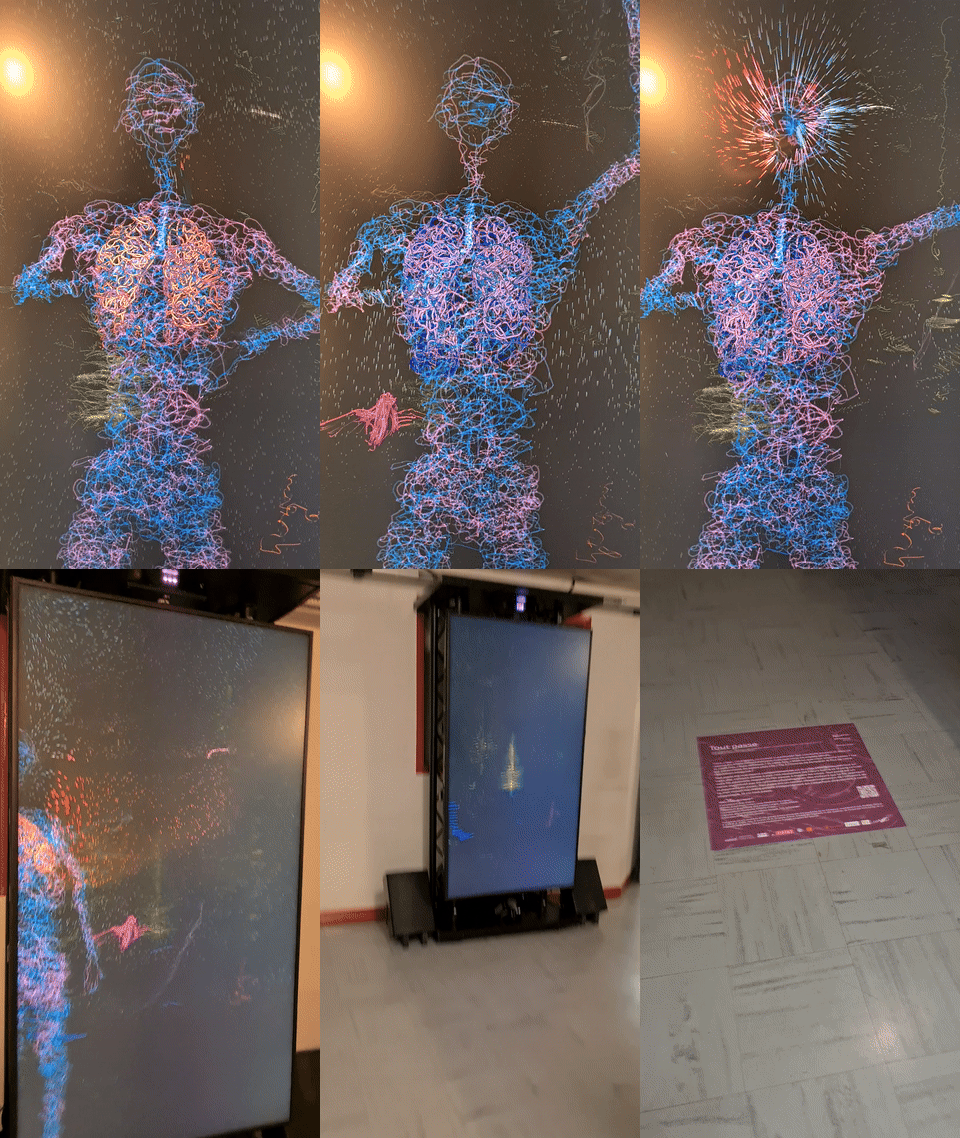
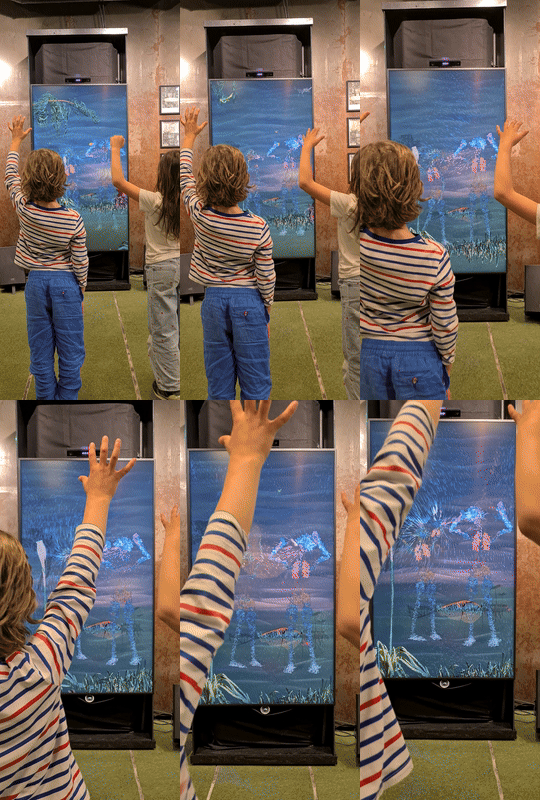
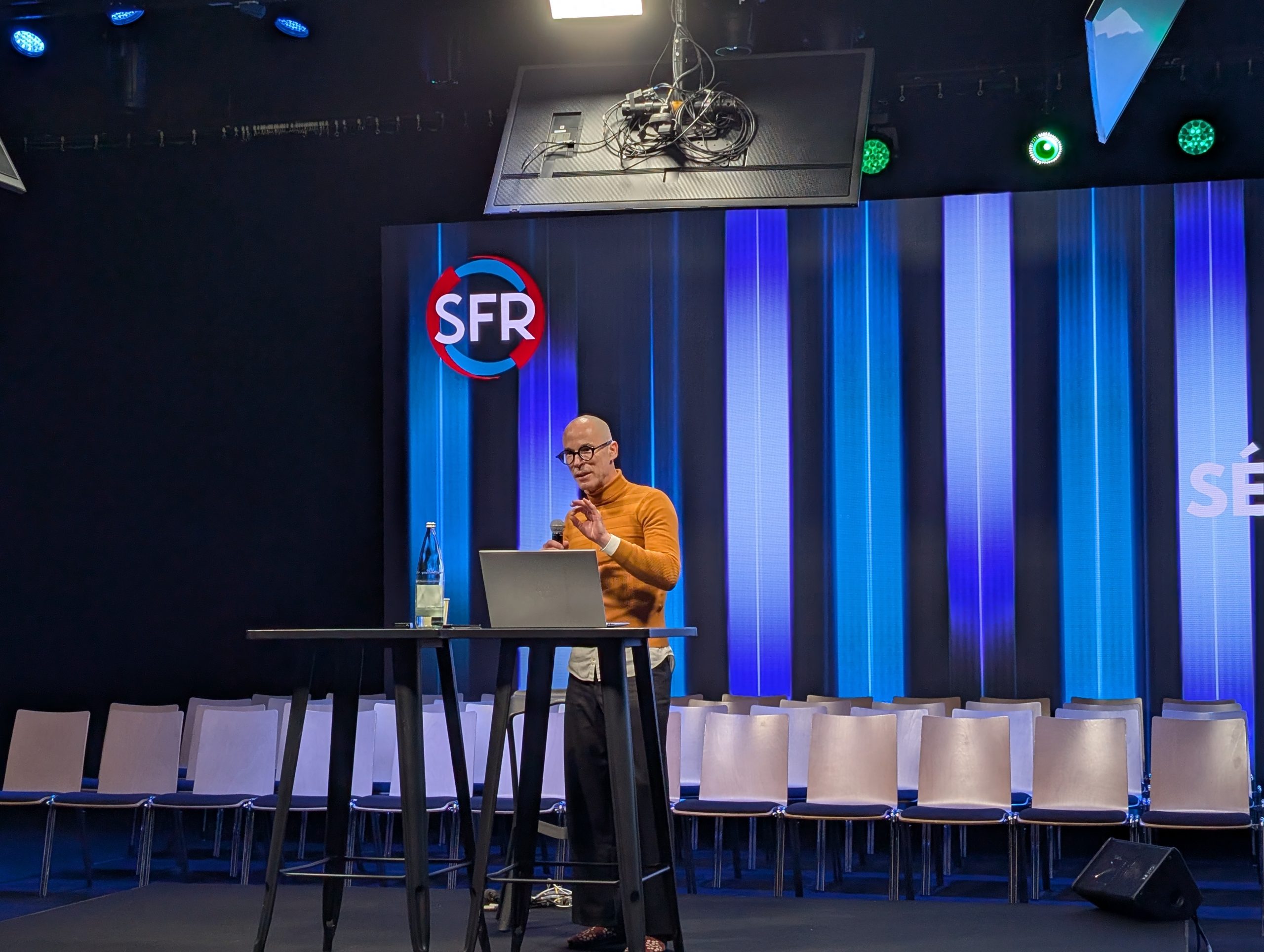
Xavier Maître presents Tout passe at LISN. This digital mirror that reflects our breathing and heartbeats is being developed in V|LF-Spiro3D Work Package 4. Assuming potential mimetic behaviour, Tout passe challenges the concept of biofeedback in public spaces and targets respiratory rehabilitation in hospitals. Here, art and science implicitly draw on fundamental human resources integrated into the creative discovery process.
By following the research project on Tout Passe, we can observe the surprises that such a project brings to its participants and the public. Based on shared serendipity, these surprises could lay the foundations for a rich and enduring scientific and artistic culture.
LATEST
Things happening
ISMRM 2026 – Cape Town
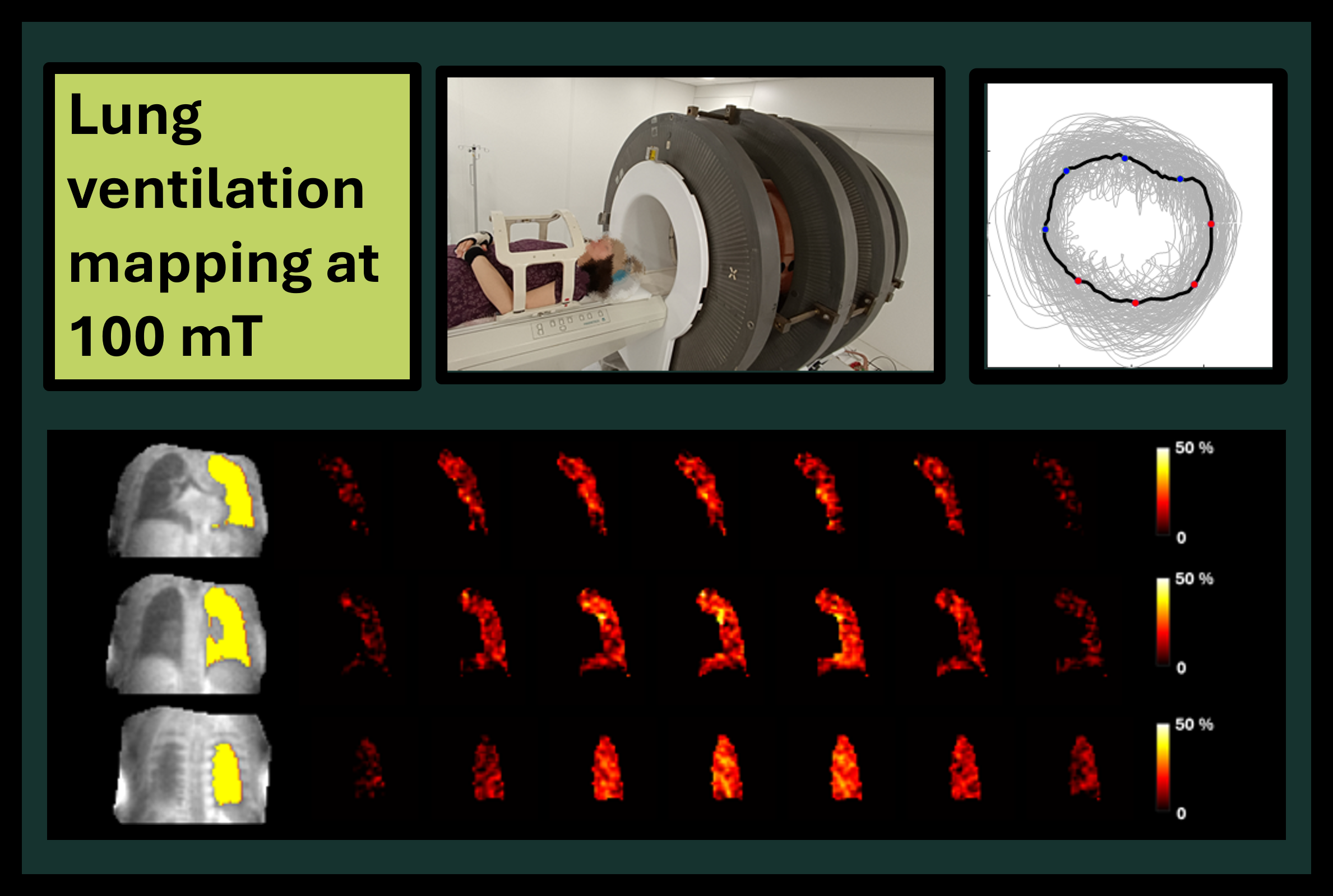
July 7th, 2026 – ISMRM Cape Town 2026 The AMT Centre has revealed its first-ever ventilation images capturing a full 3D view of the free-breathing lung using very low-field (VLF)
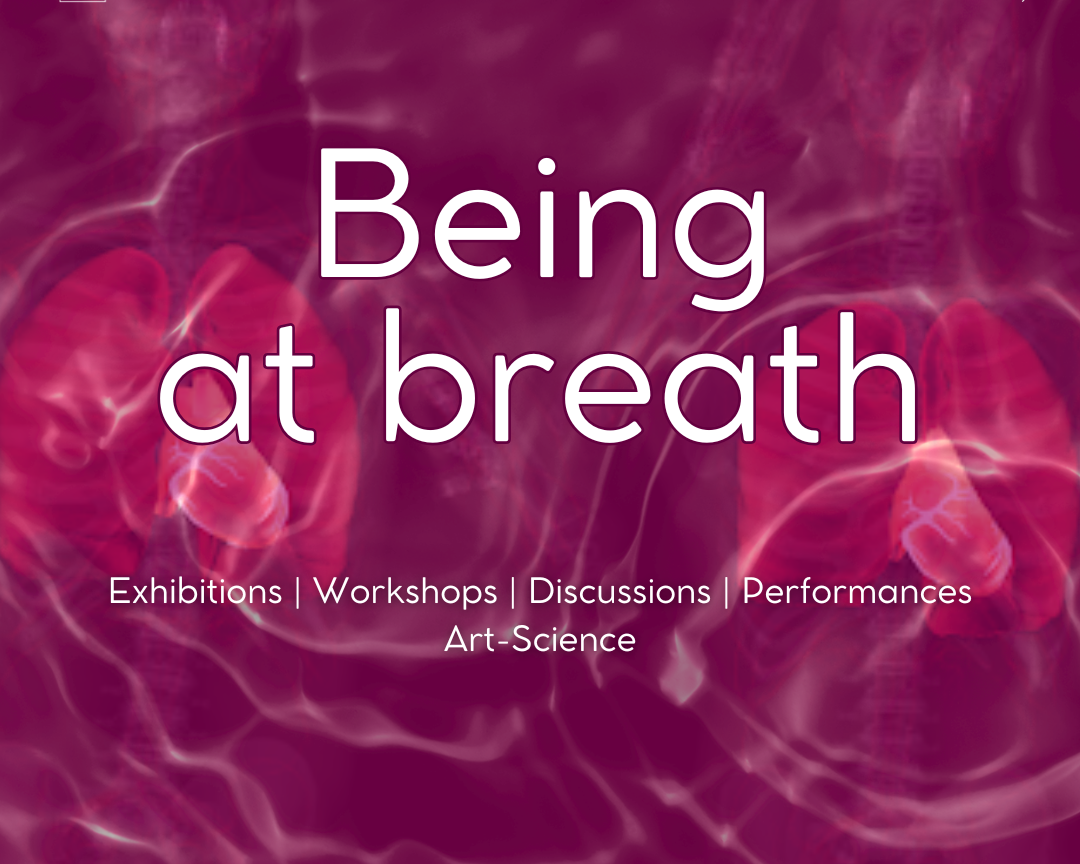
Being at breath – NewImages Festival 2026
April 7-12, 2026 – Being at breath – NewImages Festival 2026 As part of the V|LF-Spiro3D project, we are pleased to contribute to Being at Breath, the fifth resonance axis
Newsletter #4
February 27, 2025 – Newsletter #4 We are pleased to share the latest progress across the V|LF-Spiro3D work packages, highlighting important scientific, technical, and interdisciplinary advances. WP1 – Clinical Implementation
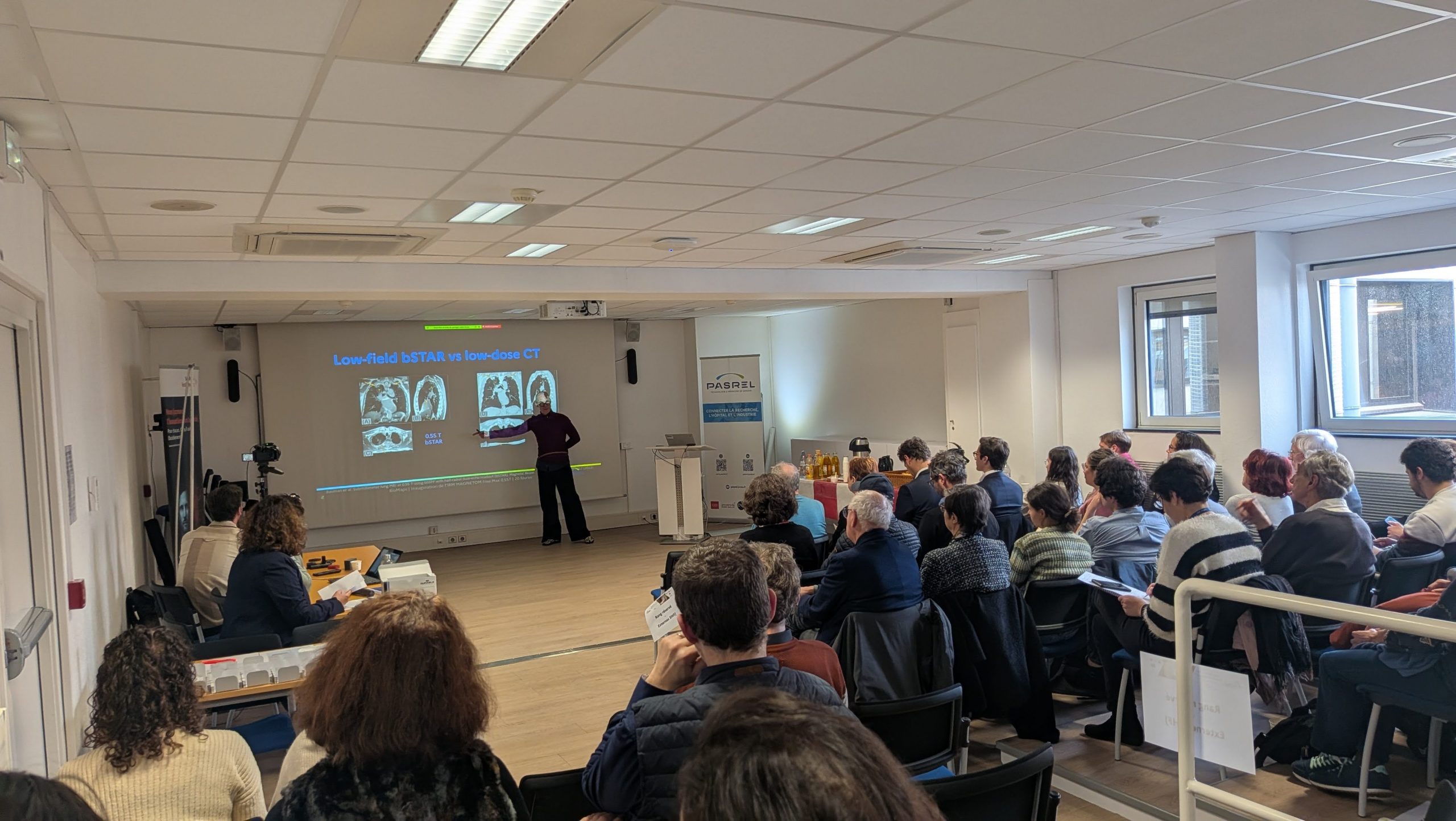
0.55 T Free.Max inauguration
February 20th, 2026 – 0.55 T Free.Max inauguration On February 20th, Xavier Maître, scientific coordinator, presented V|LF-Spiro3D on the occasion of the inauguration of the 0.55 Free.Max, the newest addition
Meghan Metcalf – Art-science at AMT
November 19th, 2025 – Welcome Meghan Metcalf! Art-science at AMT My name is Meghan Metcalf, and I am a final year student at Gray’s School of Art, Robert Gordon University,
Art-science breathing research at JFR 2025!
October 3, 2025 – Art-science breathing research at JFR 2025! In conjunction with the exhibition of Primary Intimacy of being in the entrance hall of Palais des Congrès, Paris, Xavier
Seminar 15 – Naïla Boudiaf
September 30, 2025 – Seminar 15 – MR Lung Imaging 3D UTE Spiral VIBE prototype in primary immune deficiency disease. What other MR techniques? Opening mindsets and imaging the lungs
First V|LF-Spiro3D publication!
August 8, 2025 – First V|LF-Spiro3D publication – European Radiology Functional patterns of healthy human respiratory dynamics were ascertained by 3D MR spirometry as now published in European Radiology this
Newsletter #3
July 24, 2025 – Newsletter #3 Over the past few months, the V|LF-Spiro3D project has achieved significant milestones across various Work Packages. From advancing data collection and launching new recruitments
Seminar 14 – Ieva Aliukonyte and Cristina Cretu
July 8, 2025 – Seminar 14 -Validating 3D MR Spirometryin chronic pediatric and adult pulmonary diseases On July 8, 2025, the V|LF-Spiro3D project hosted a scientific seminar titled “Validating 3D