
Chest MRI Advanced School 2026: Three Days Exploring the Future of Lung Imaging
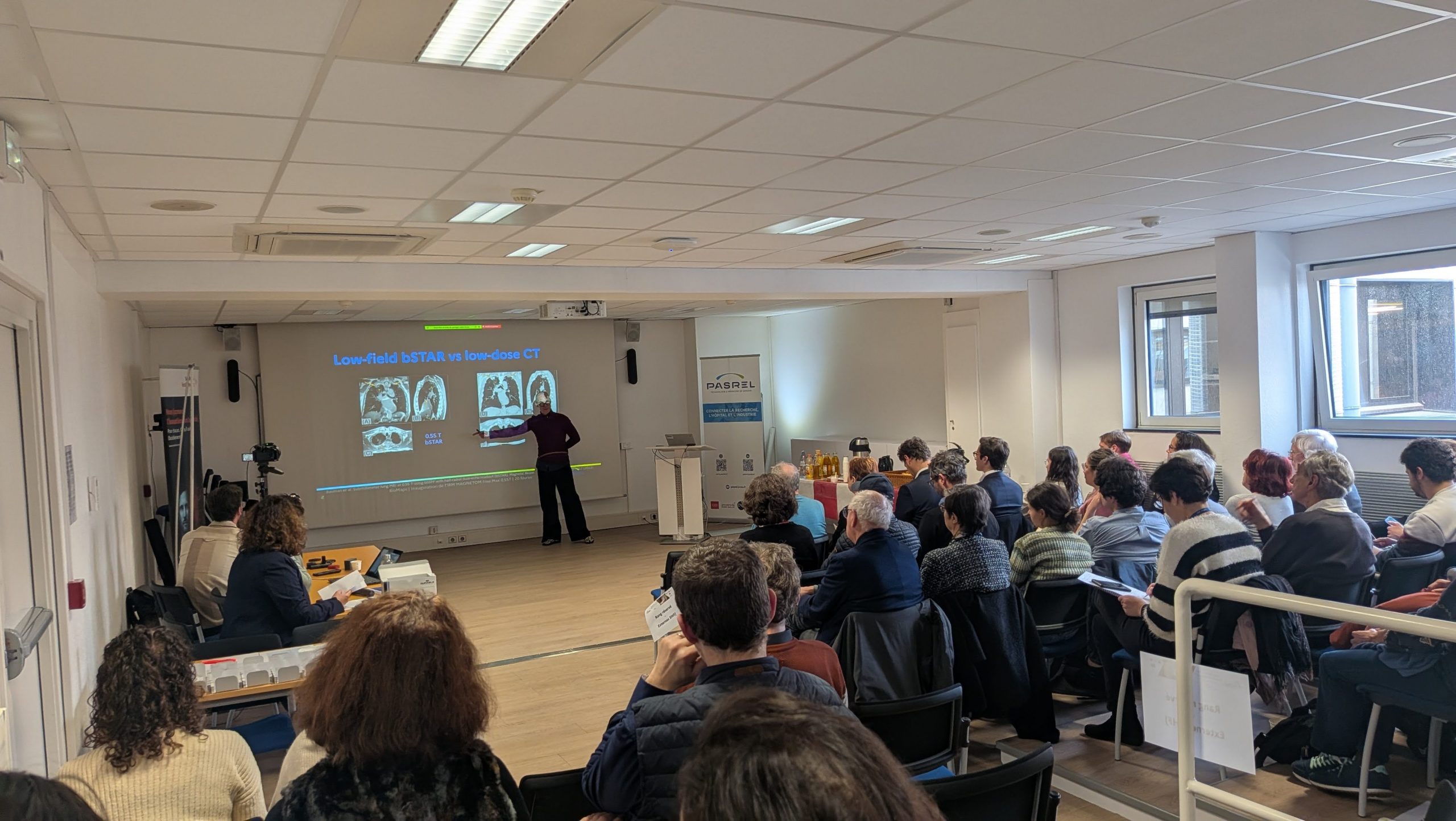
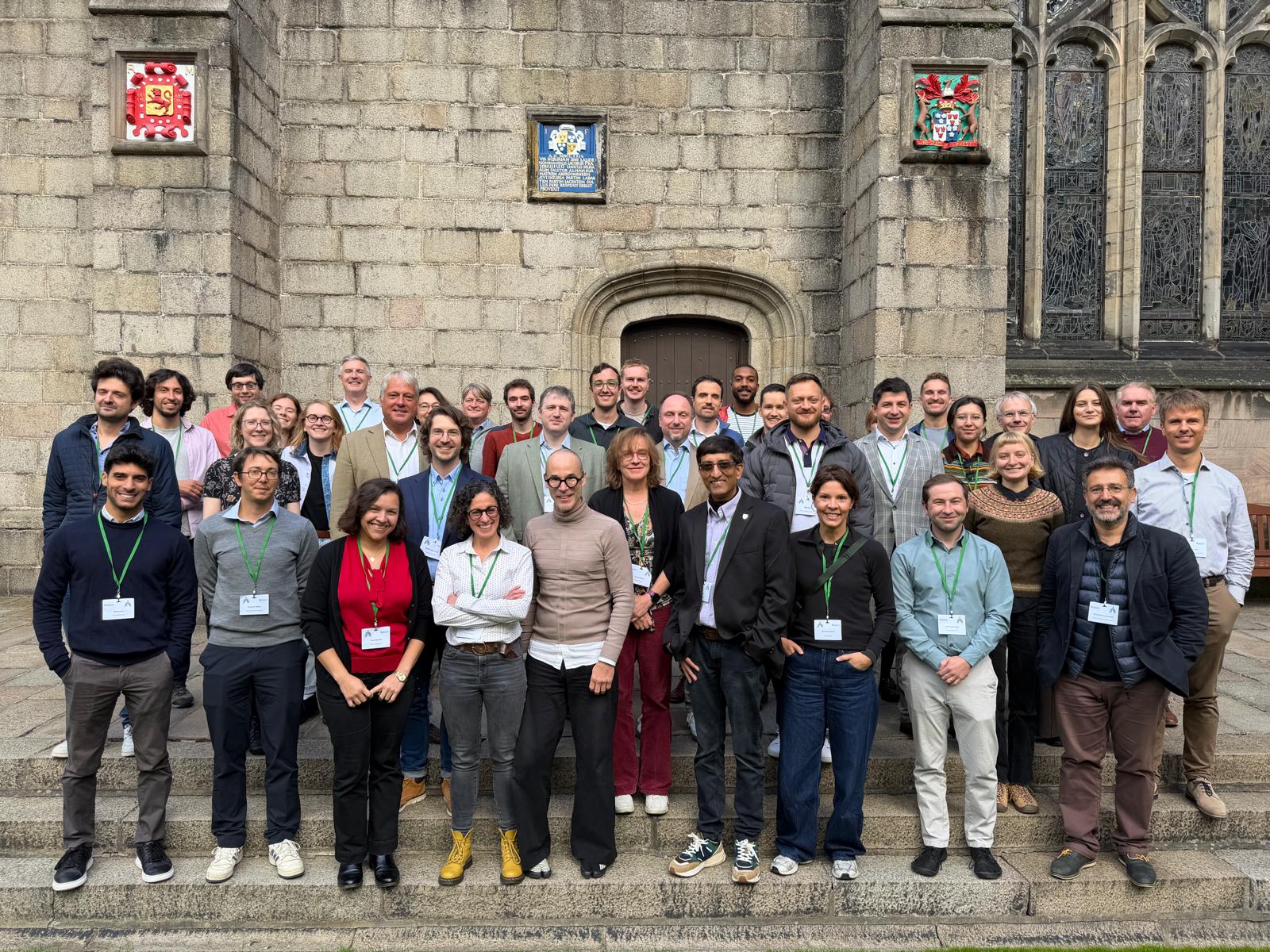
From 15 to 17 September 2026, the Chest MRI Advanced School brought together around 50 participants, leading researchers, clinicians, physicists, engineers and imaging specialists at the University of Aberdeen, Scotland, for three days dedicated to the present and future of lung MRI.
Organised within the framework of the European V|LF-Spiro3D project, coordinated by Université Paris-Saclay, the School provided an opportunity to share knowledge, discuss emerging technologies and explore the challenges and opportunities associated with the development and clinical translation of advanced lung MRI.
A multidisciplinary programme on the future of lung MRI
Across three days, the programme covered a broad spectrum of topics, moving from the fundamental principles of MRI to advanced imaging techniques, functional lung imaging, clinical applications and unconventional approaches to MRI.
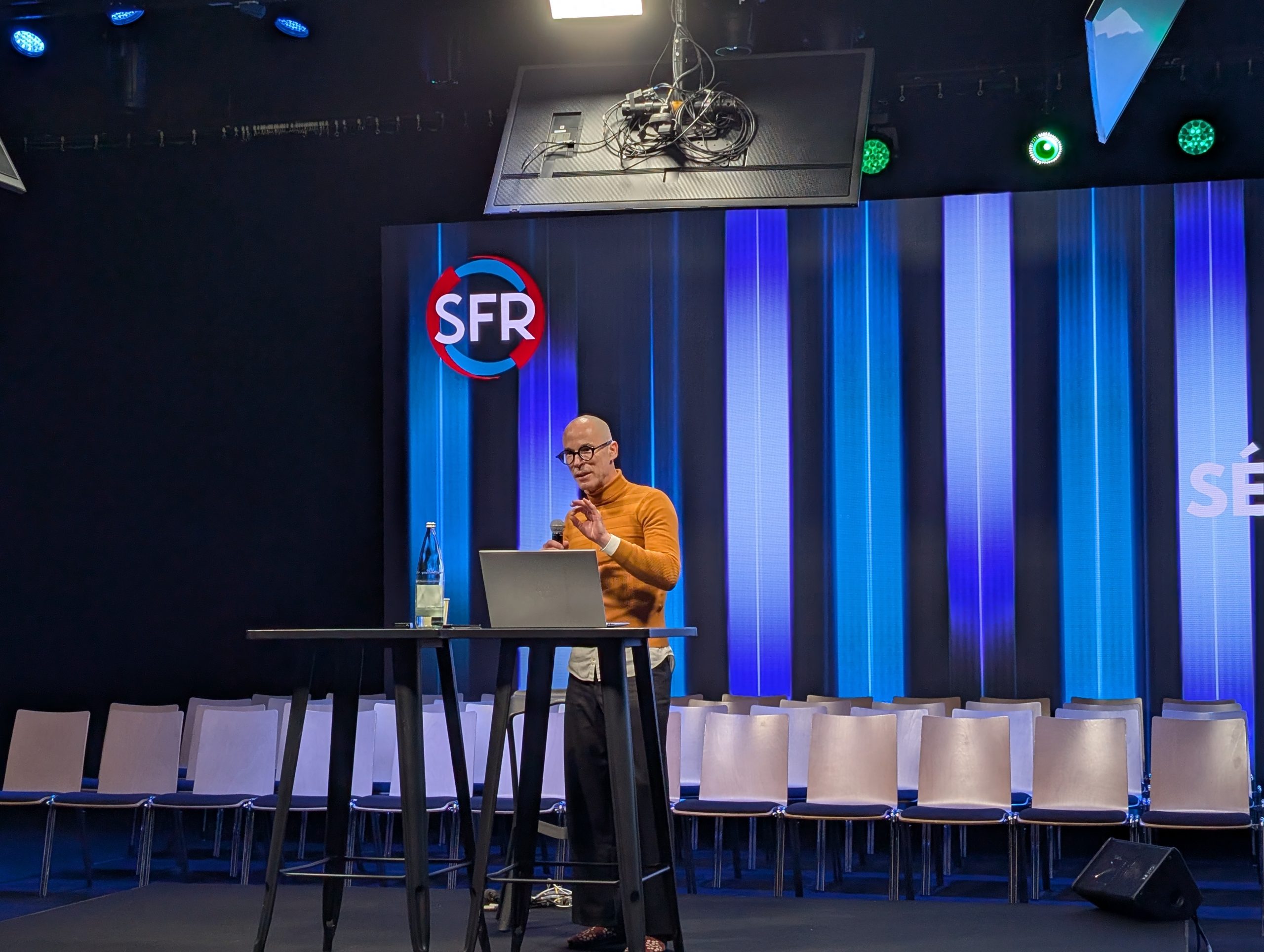
The first day introduced participants to the physiological and clinical dimensions of chest imaging. Contributions from experts including Pierantonio Laveneziana, Owen Dempsey, Jenny Slatman, Irene Groenevelt, Lionel Broche, Tim Ingold, James Ross, Suraj Serai and Filip Klimeš opened discussions ranging from respiratory physiology and dyspnoea to MRI physics, functional lung imaging, medical humanities and the experience of the body through medical technologies.
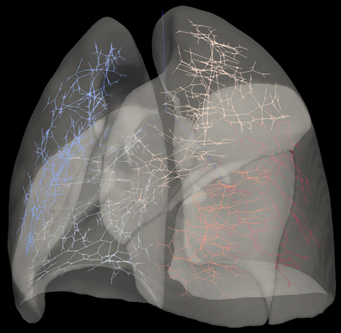
The second day focused more specifically on MRI techniques and diagnostic applications. Participants explored different approaches to lung imaging, including UTE, ZTE, T1/T2*, phase-contrast and oxygen-enhanced MRI, as well as dynamic and real-time imaging, ventilation, perfusion and diffusion-weighted imaging.
Sessions led by Suraj Serai, Filip Klimeš and Jürgen Biederer addressed the development of lung MRI techniques and protocols, while the programme also examined unmet needs in chest MRI. The afternoon moved towards image analysis and processing, with Nathalie Barrau and Nicholas Senn combining methodological discussions with practical approaches.
The day also highlighted the importance of looking beyond imaging technology itself. Christian Straus explored the relationship between medical hypnosis and dyspnoea, while a final discussion on the controversies and challenges in chest MRI provided space to address broader questions around the field.
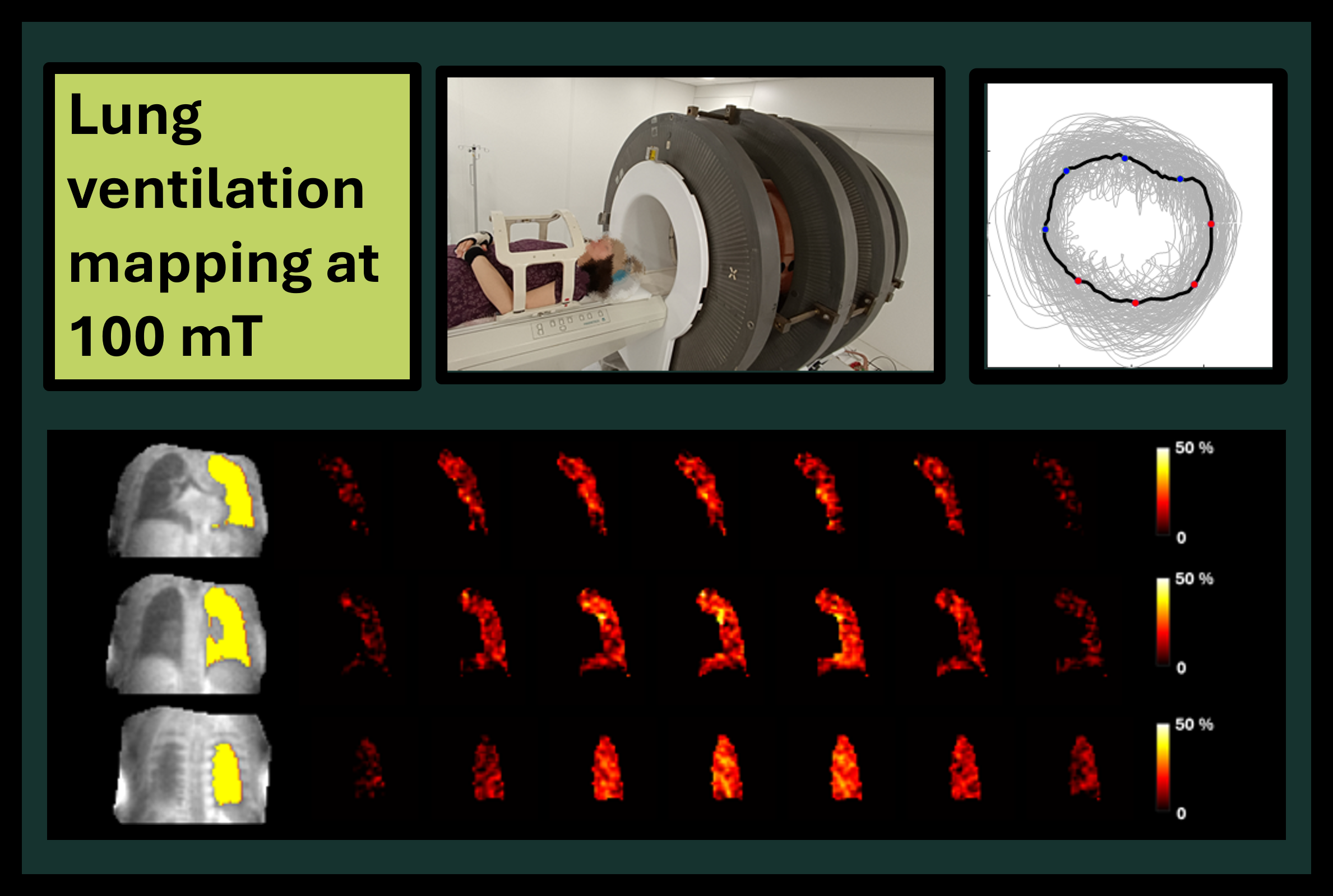
The third and final day turned towards advanced methods and future directions. Participants discovered different approaches to unconventional MRI, with Joseph Plummer presenting low-field MRI, Mathieu Sarracanie focusing on very-low-field MRI, and Jim Wild introducing hyperpolarized gas MRI.
The programme then returned to the V|LF-Spiro3D project’s own research, with Xavier Maître presenting the cross-platform methodology developed for 3D MR spirometry, followed by Pierluigi Ciet, who discussed cross-platform outcomes and their relevance to clinical imaging.
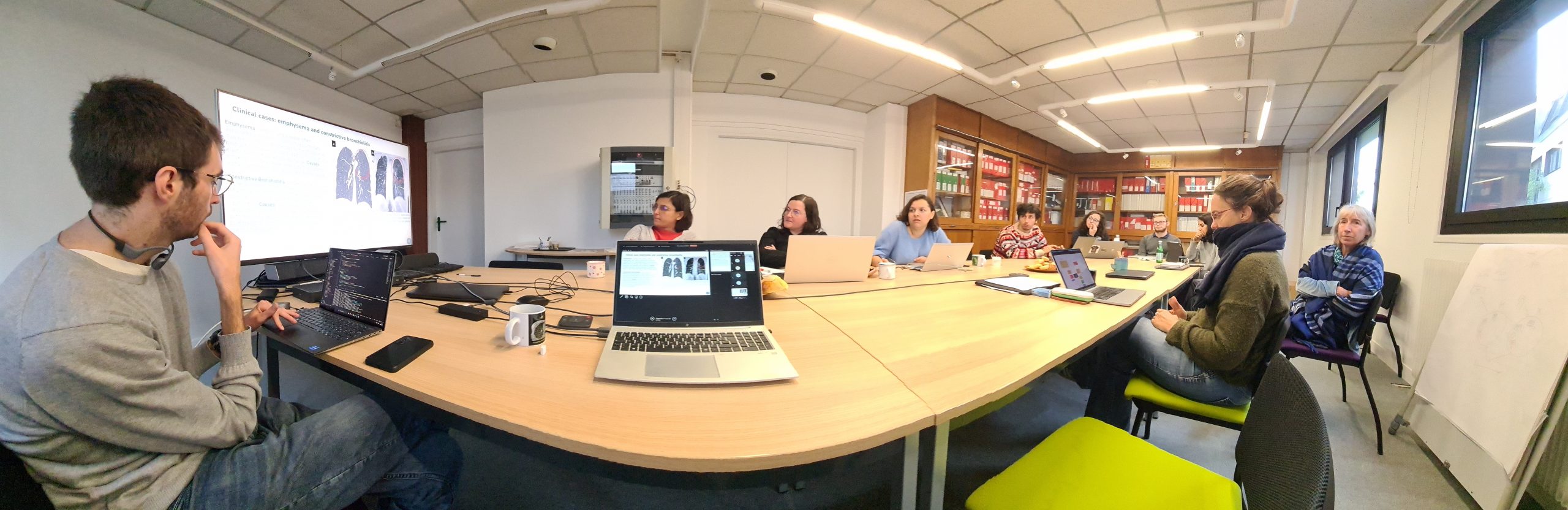
The School concluded with a virtual laboratory tour, offering participants a glimpse into the research environments in which some of these technologies are being developed.
A space for exchange and collaboration
Beyond the individual lectures, one of the central strengths of the School was the opportunity it created for direct exchange between disciplines and professional communities.
Researchers working on MRI physics, image reconstruction and quantitative imaging could engage with clinicians and radiologists working directly with patients, while discussions also involved perspectives from respiratory physiology, medical anthropology, humanities, engineering and industry.
This multidisciplinary format reflected one of the fundamental ambitions of V|LF-Spiro3D: not only to develop new technologies, but to consider how these technologies can respond to clinical needs, how they can be translated into practice, and how patients and society experience new forms of medical imaging.
The School also created opportunities for participants to establish new connections and identify potential avenues for future research collaborations, building on the international network brought together through the V|LF-Spiro3D consortium.
Connecting science and art through Breathing Bodies
The scientific programme was accompanied by a strong art–science dimension, extending the themes of the School beyond the conference venue and into the city of Aberdeen.
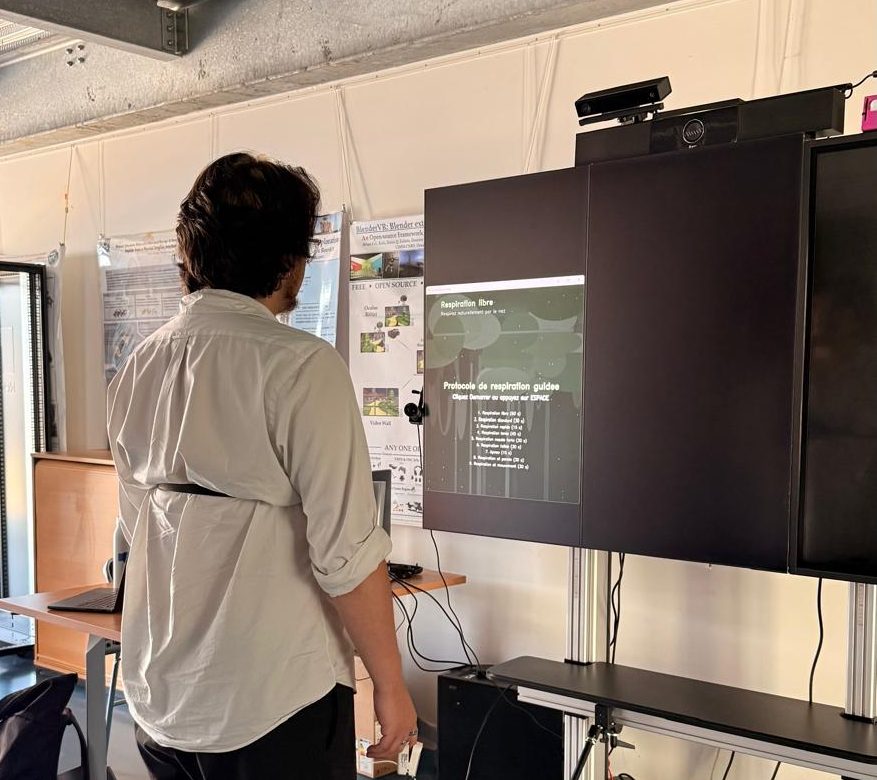
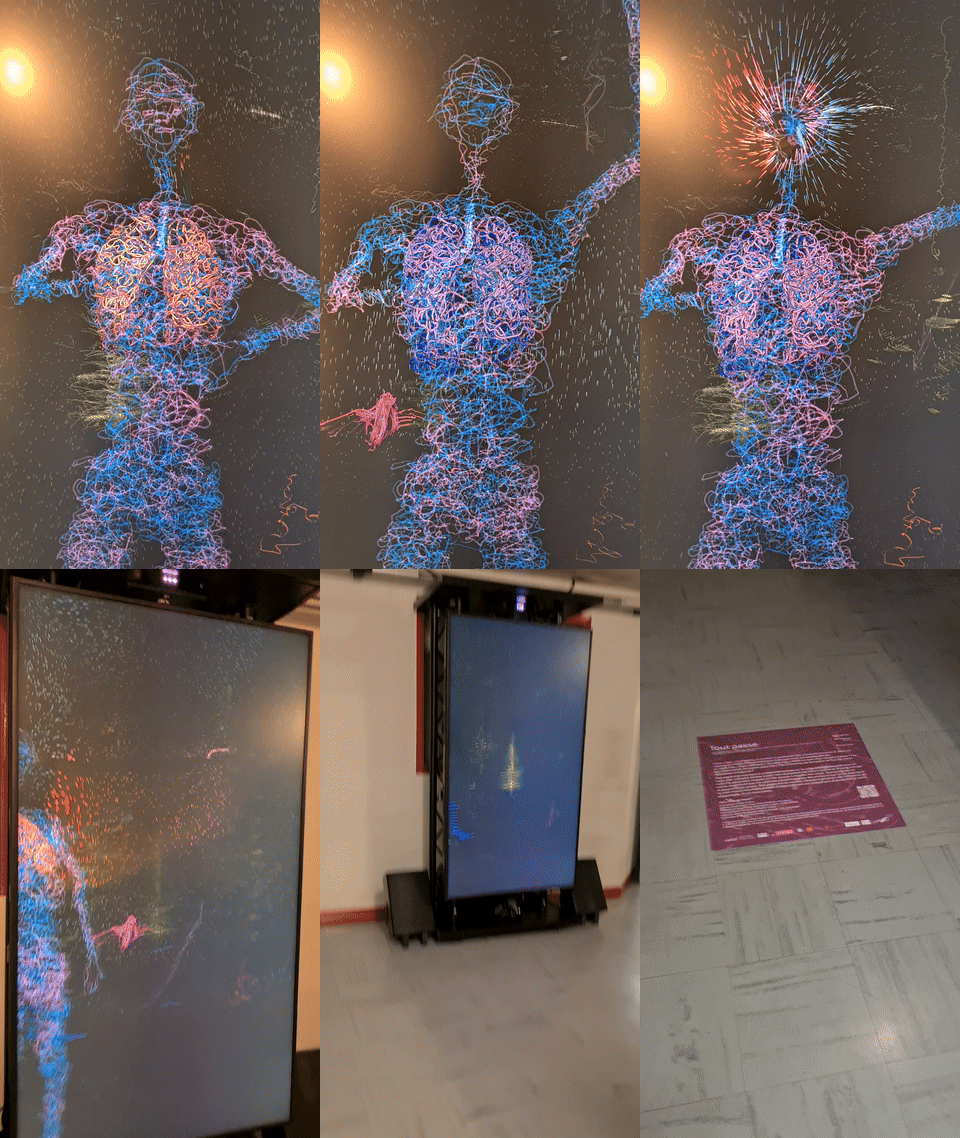
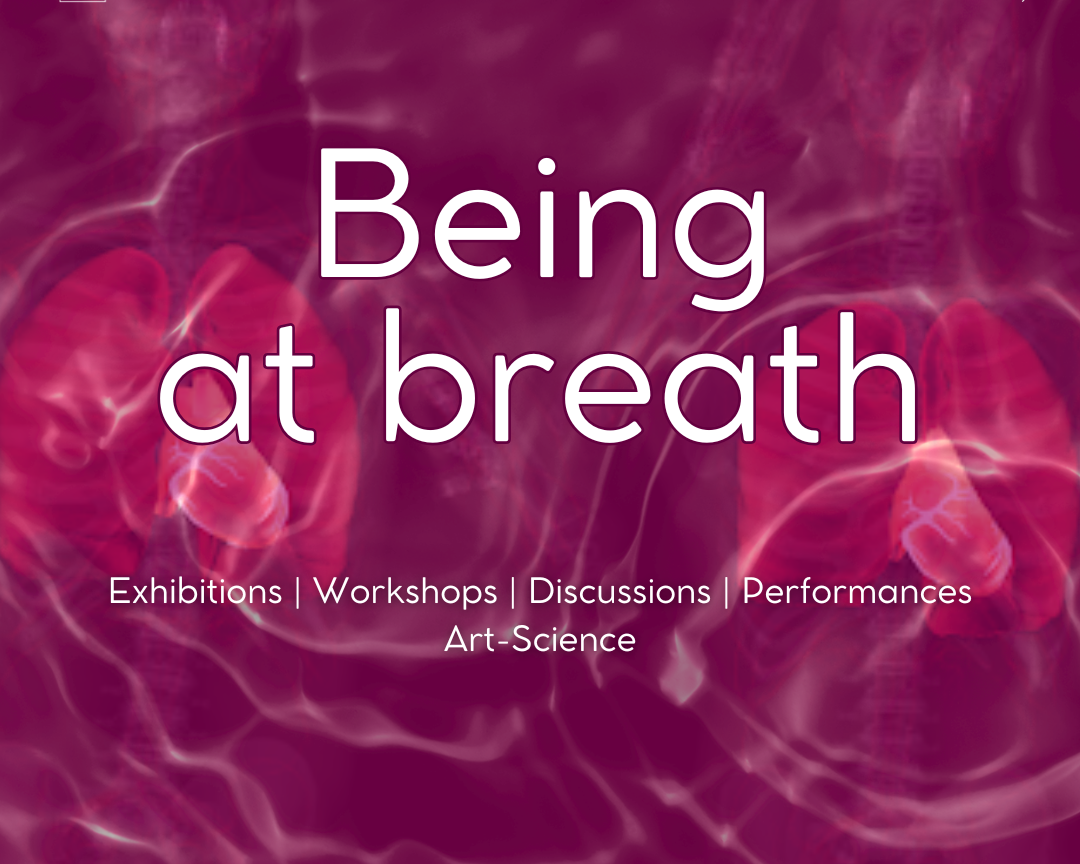
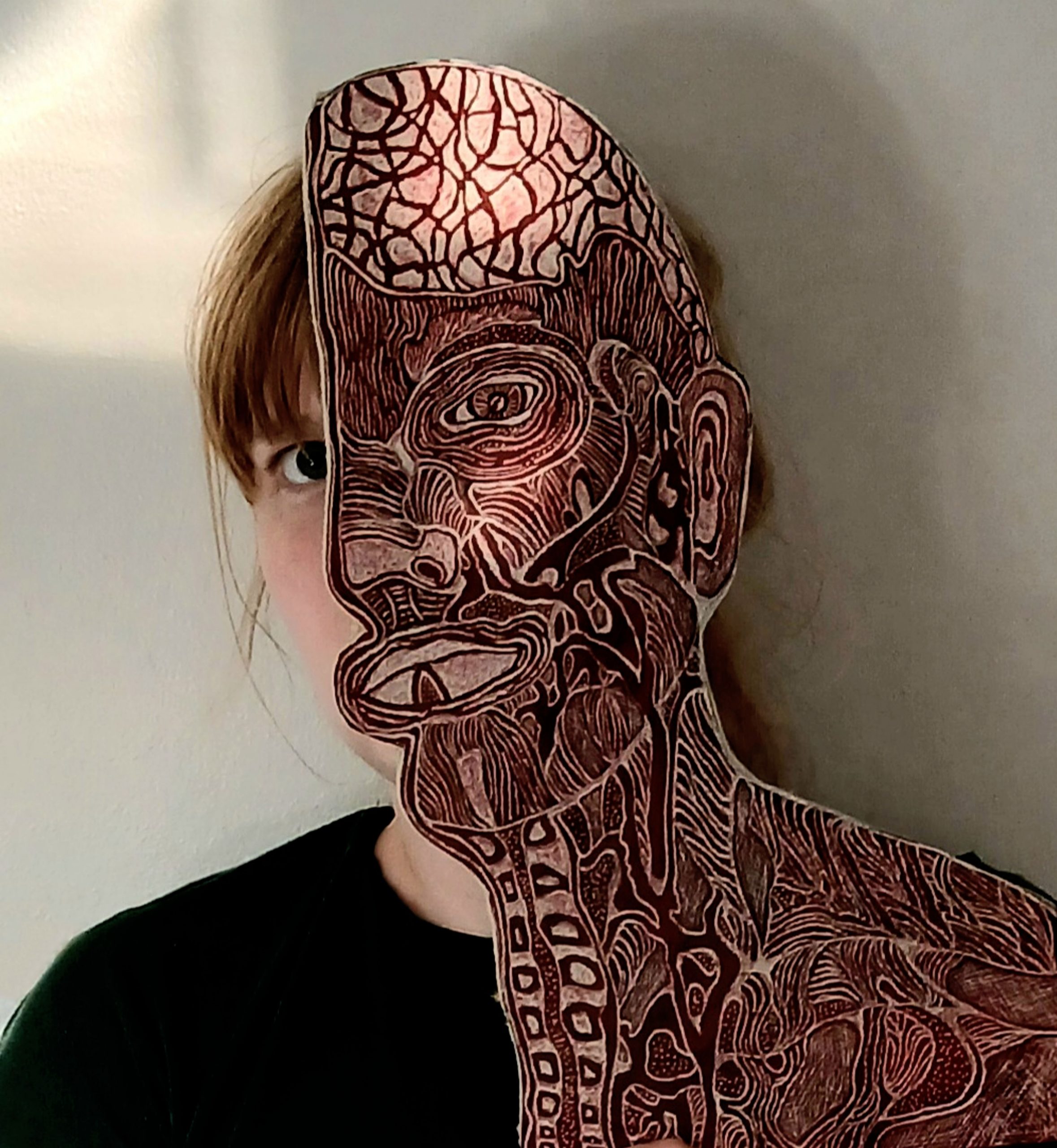
Developed through the collaboration between V|LF-Spiro3D and Le sas, the Breathing Bodies exhibition brought together 4 artworks — three versions of Première Intimité de l’être and Tout Passe — exploring different relationships between breathing, the body, technology and perception.
The exhibition was presented across venues in Aberdeen from late July through November 2026, creating an opportunity for members of the public to encounter questions emerging from the research programme in a different context.
By placing artworks alongside a programme dedicated to medical imaging and respiratory science, Breathing Bodies invited audiences to approach breathing not only as a physiological process, but also as an embodied, perceptual and social experience.
As part of the art–science programme accompanying the Chest MRI Advanced School, the evening of 15 September featured a dedicated conversation at Aberdeen Art Gallery between pioneering digital artist and researcher Ernest Edmonds and Linda Candy.
A collective achievement
The success of the Chest MRI Advanced School was made possible through the collaboration of a wide network of partners and contributors. The University of Aberdeen played a central role in hosting and supporting the event, while the V|LF-Spiro3D consortium brought together expertise from Université Paris-Saclay, University of Aberdeen, Tilburg University, Erasmus MC, Siemens Healthineers, Institut Polytechnique de Paris, Greater Paris University Hospitals – AP-HP, Hôpital Foch, POLETP IDF and NMR Service GmbH.
The School demonstrated the value of bringing these different communities together around a shared research challenge: understanding how MRI can provide increasingly detailed, functional and clinically meaningful information about the lungs.
After three days of lectures, practical discussions, exchanges and new connections, the Chest MRI Advanced School 2026 concluded with a clear sense that the development of lung MRI is not the work of a single discipline. It requires collaboration between technology developers, researchers, clinicians, patients, artists and wider society.
For V|LF-Spiro3D, the School therefore represents more than a training event. It is a concrete expression of the project’s ambition to connect research, innovation, clinical practice and society, while creating the conditions for new collaborations and future developments in lung imaging.
The three days in Aberdeen mark an important milestone for the project — and a starting point for the conversations, collaborations and research that will continue beyond the School.